AI Without Guardrails: The Business of Danger
A company sells AI models with the guardrails removed. Here is why the real danger is human before it is technical, and the three moves an executive should make.

A company sells AI models with the guardrails removed. Here is why the real danger is human before it is technical, and the three moves an executive should make.
Anthropic launches Claude for Teachers, joining OpenAI, Google, and Microsoft in the race for classroom AI. Behind the announcement sits a question nobody is asking loudly enough: who corrects the machine when it gets something wrong about what our kids are learning?

You ask your AI agent to summarize a supplier’s website. The page looks professional. The products are clearly presented. The testimonials are reassuring. The legal
Imagine the scene. You apply for a job. A chatbot welcomes you to the company’s website. From 2 August 2026, it will have to inform

Exhaustive code review may have become the new administrative work of software developers. The traditional reasoning sounds impeccable. Artificial intelligence generates the code. A human
The developer typing code is already a stock image For years, we imagined the software engineer as a solitary figure in front of a screen.
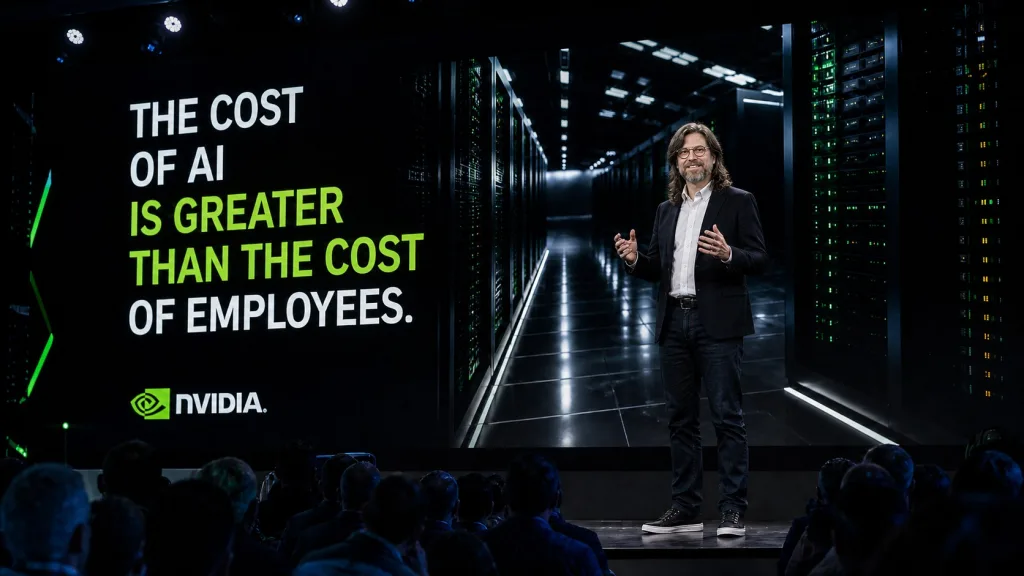
For the past two years, a lazy equation has been circulating in executive committees, tech conferences, and consultant slide decks: AI = automation = cost

The code ships. The law coughs. Yesterday, having an idea was enough. Then you had to know how to code. Today, sometimes all it takes

A voice reaches the podium A singer who does not exist has just climbed onto the podium. On April 17, 2026, “Celebrate Me,” attributed to
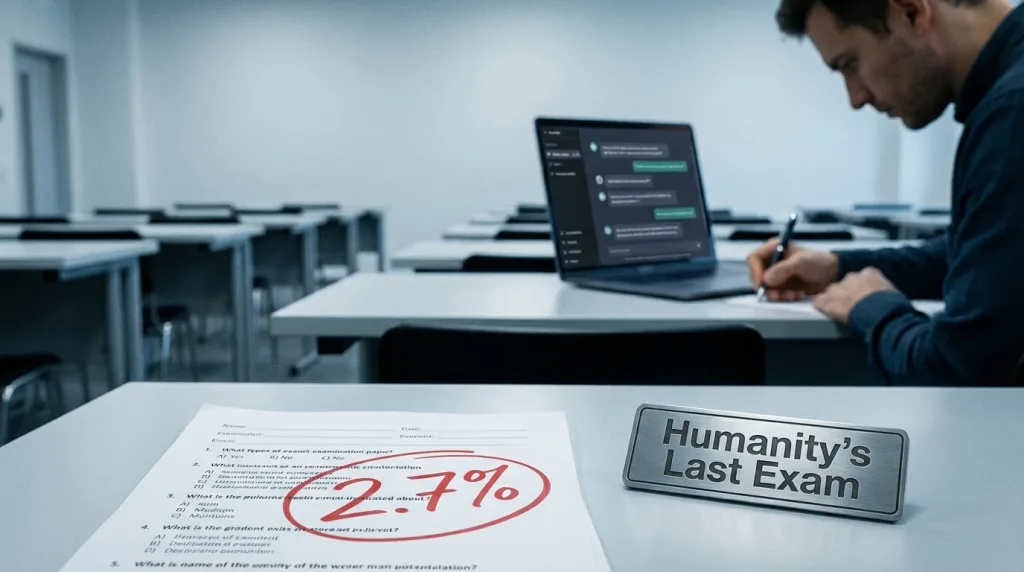
AI models just sat an exam. And, symbolically, they turned in a blank page. The point isn’t to mock the models. The point is to
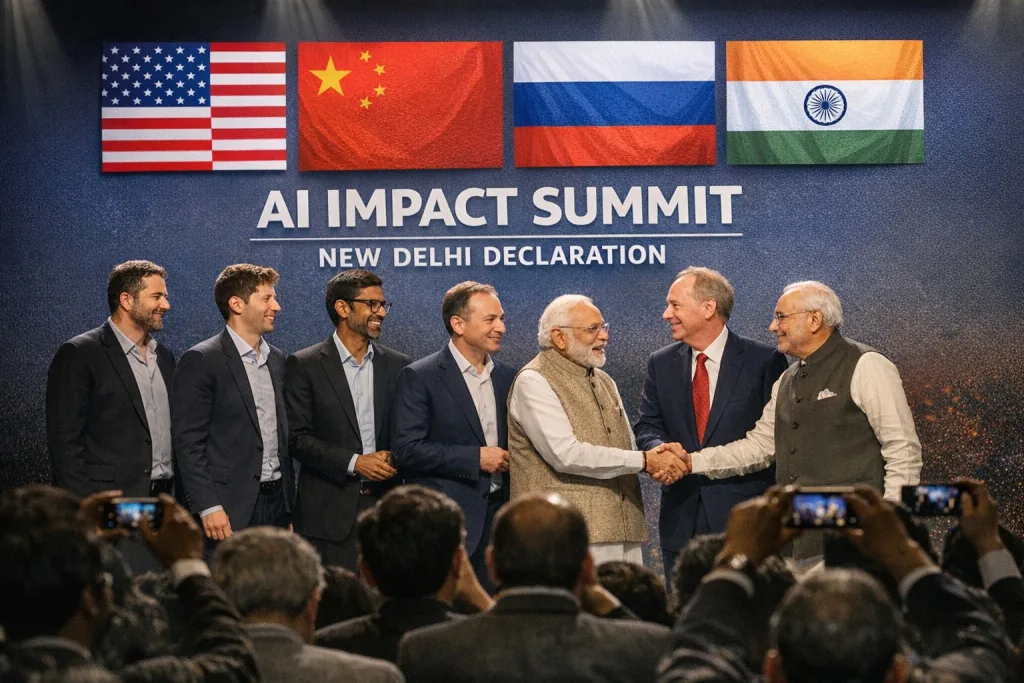
The “global peace deal on AI” wasn’t signed at the UN. It played out in a room in New Delhi, during the AI Impact Summit