
Competent Jerks Lose: Why Teams Pick the Lovable Fool
A Harvard Business Review study of 10,000 work relationships found that people prefer the lovable fool to the competent jerk. Here is what that choice costs your innovation, and how to fix it.

A Harvard Business Review study of 10,000 work relationships found that people prefer the lovable fool to the competent jerk. Here is what that choice costs your innovation, and how to fix it.

Capote anglaise on one side, French letter on the other: each nation pins the condom on its neighbor. From the Minos myth to Falloppio’s 1564 treatise, here is the documented history of its invention, and what it reveals about how we handle uncomfortable topics.

A New Mexico jury found 26 of Meta’s 29 statements misleading. The result: $25 billion. How many of your data promises would survive a jury?

83% of companies make innovation a priority, yet only 3% are ready to innovate. An innovation culture assessment shows your executive team where to act first. Discover the QIIO and join our webinar.

Microsoft’s 2026 Work Trend Index links AI’s impact more to organizations than to individual skills. In France, only 20% of users see their leadership as aligned. A critical reading of a useful report, and what leaders can change on Monday morning.

One letter separates the HiPo, your high potential, from the HiPPO, the best-paid opinion that crushes your decisions. Here is how to spot the beast and tame it through process.

A 27-year-old engineer quits Anthropic, his AI warning tops 57 million views, and panic spreads through teams. Here is what a leader should actually do.

A ten-year-old boy invents an AI-powered electronic nose and wins an international award. What the science on children’s creativity reveals about the biases that block innovation inside companies.

In January 1995, a bank robber coated his face in lemon juice, sure it would make him invisible to cameras. His story gave birth to the Dunning-Kruger effect, the bias that makes the least competent feel like the best. Here is why it sabotages your innovation and management decisions, and how to neutralize it.

In Japan, early arrivals park far from the exit to leave the best spot for a stranger. The gesture has a name, omoiyari, and it says more about a company’s culture than an MBA.

In 1965, Stephanie Kwolek refused to throw out a “failed” batch of chemistry. That cloudy beaker became Kevlar, five times stronger than steel. What her three-second decision teaches us about curiosity, serendipity and the survival of your anomalies at work.

AIs listen to us better than humans do, at least in the short term. Seductive, and dangerous. Between addiction, flattery and the end of social friction, here is why the “fentanyl of loneliness” could soothe some and damage others.

A rural New York school district is deploying a €50,000 humanoid robot in its science classes. Behind the spectacular object lies an adoption problem I see in nine organisations out of ten: they buy before they communicate.

Over the past few weeks, I have had the opportunity to speak with several leaders about how organizations continue to innovate in increasingly unstable and
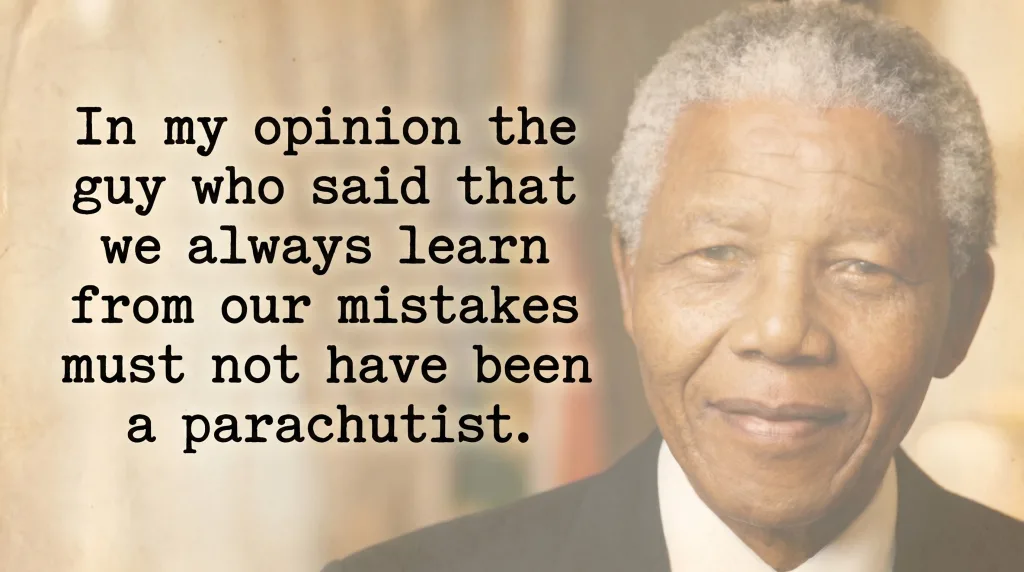
The parachutist, Mandela, and the crash The parachutist who learns from his mistakes rarely ends up as a consultant. The image is funny because it
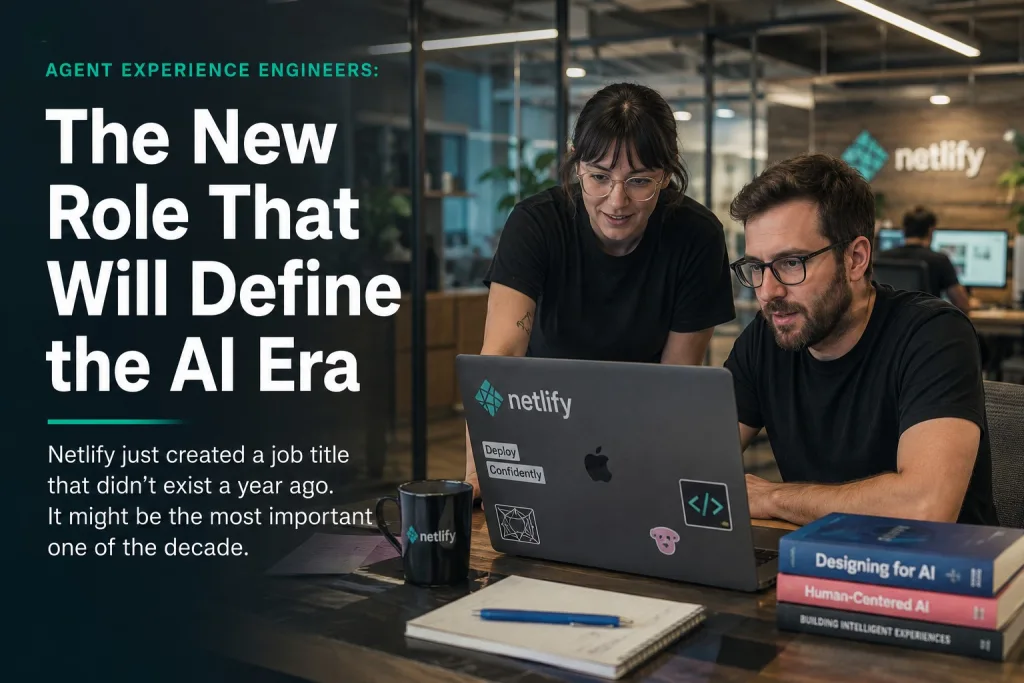
The developer typing code is already a stock image For years, we imagined the software engineer as a solitary figure in front of a screen.

Some images say more than an 80-page strategy report. A worker, wearing a helmet, bends over a gigantic tire and tries to inflate a truck

Your bad prompt may be a management problem Have you always had good managers? I have not. I have known brilliant managers. People capable of

For months, we were sold the same disaster movie. AI arrives.Jobs collapse.Humans watch the machine steal their chair. Except the story is subtler. And much

When a tiny gesture becomes enormous During an SV.League All-Star Game in Japan, Yuji Nishida hit a serve so hard that the ball ended up