
HiPo vs HiPPO: One P Between Talent and Disaster
One letter separates the HiPo, your high potential, from the HiPPO, the best-paid opinion that crushes your decisions. Here is how to spot the beast and tame it through process.

One letter separates the HiPo, your high potential, from the HiPPO, the best-paid opinion that crushes your decisions. Here is how to spot the beast and tame it through process.

A company sells AI models with the guardrails removed. Here is why the real danger is human before it is technical, and the three moves an executive should make.

A 27-year-old engineer quits Anthropic, his AI warning tops 57 million views, and panic spreads through teams. Here is what a leader should actually do.

IKEA handed almost half of its customer requests to its AI Billie without cutting a single one of those 8,500 jobs. By training them as remote design advisors, the retailer created over a billion euros in sales. A look at a decision that replaces tasks and amplifies people.

In 2026, 67 % of French companies use generative AI, but only 31 % see a productivity gain. Why adoption is not enough, and how to measure the real gains.

AI doesn’t save time in workforce scheduling, it reveals what you do with it. Here are the 5 steps to a successful HR adoption, without the panic or the failure.

In 1984, Ken Thompson revealed an attack that no longer targeted code, but the trust placed in it. A story that quietly frames the question nobody has dared ask AI yet.

Anthropic launches Claude for Teachers, joining OpenAI, Google, and Microsoft in the race for classroom AI. Behind the announcement sits a question nobody is asking loudly enough: who corrects the machine when it gets something wrong about what our kids are learning?

Jill Lepore just published a warning about the “Artificial State.” The same mechanism, algorithm versus human judgment, is already eating away at your executive committee.

In 1645 a samurai boiled his life down to twenty-one lines. Three hundred and eighty years later, about ten of them answer the question of AI at work better than any webinar.

One isolated number is sometimes enough to bury a good project. Here’s why your most rational decisions are still steered by biases you never see coming, and how to neutralize them with method instead of willpower.

On August 19, 2026, Moderna and Merck announced Phase 3 results for a personalized cancer vaccine. Behind the announcement sits ten years of experimental discipline that speaks directly to leaders.
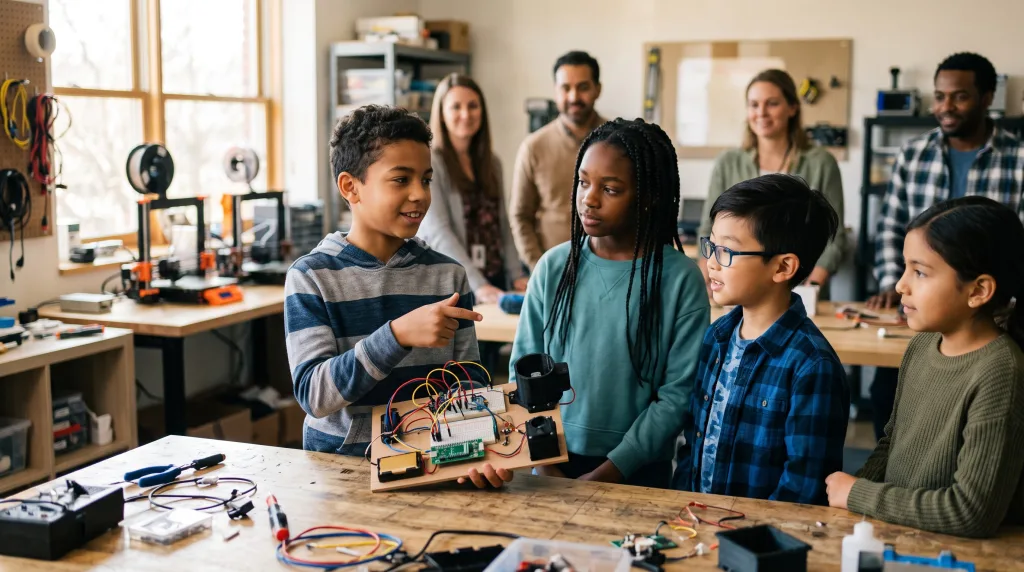
A ten-year-old boy invents an AI-powered electronic nose and wins an international award. What the science on children’s creativity reveals about the biases that block innovation inside companies.

Three well-documented psychological biases, the IKEA effect, NIH syndrome, and the Dunning-Kruger effect, combine around generative AI to push professionals into publishing mediocre content while convinced of the opposite.

Leaders who use AI only to cut costs and headcount are making an expensive mistake. Ford, IBM, and Klarna already rehired. Here’s what the growth studies actually show.

An unfair advantage protects you today. A moat protects you five years from now. Here’s how to tell which one you actually built, and how to turn the first into the second.

A tool born in a 1930s Japanese textile factory can stop you from lying about the real cause of your professional roadblocks. Here’s how to apply it, step by step.
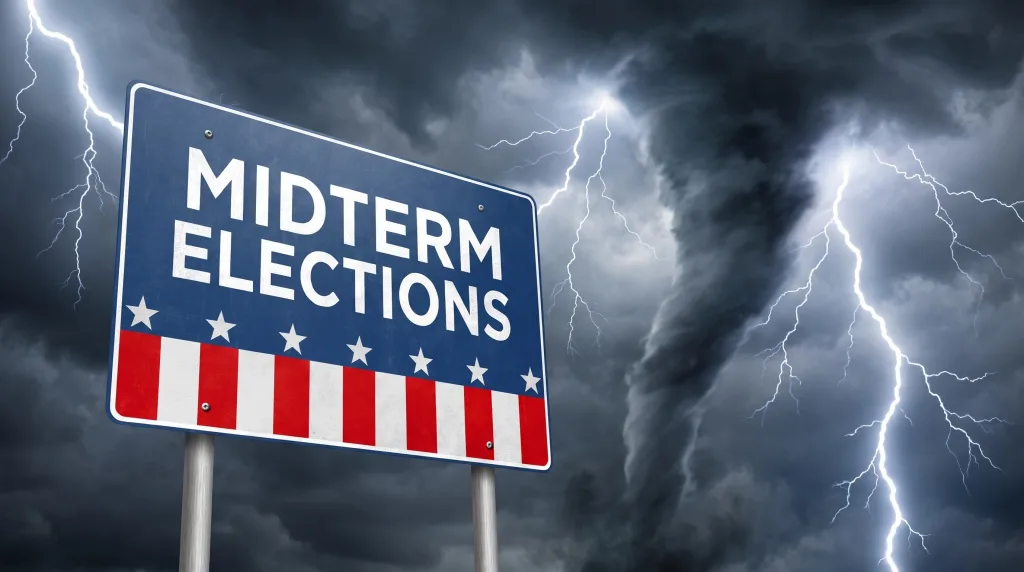
An untrained actor got 55 specialists to applaud a meaningless lecture. The Dr Fox effect explains why your meetings reward charisma over facts, and why the same trap awaits voters as the next election approaches.

In January 1995, a bank robber coated his face in lemon juice, sure it would make him invisible to cameras. His story gave birth to the Dunning-Kruger effect, the bias that makes the least competent feel like the best. Here is why it sabotages your innovation and management decisions, and how to neutralize it.

ChatGPT was supposed to bury Google. Three years later, Alphabet is worth $4.3 trillion, Gemini is nearing 900 million users and cloud is growing more than 80%. Autopsy of a death foretold that never happened, and the lesson for your company.