
Future of Work: 21 Samurai Rules for the AI Age
In 1645 a samurai boiled his life down to twenty-one lines. Three hundred and eighty years later, about ten of them answer the question of AI at work better than any webinar.

In 1645 a samurai boiled his life down to twenty-one lines. Three hundred and eighty years later, about ten of them answer the question of AI at work better than any webinar.

One isolated number is sometimes enough to bury a good project. Here’s why your most rational decisions are still steered by biases you never see coming, and how to neutralize them with method instead of willpower.

On August 19, 2026, Moderna and Merck announced Phase 3 results for a personalized cancer vaccine. Behind the announcement sits ten years of experimental discipline that speaks directly to leaders.
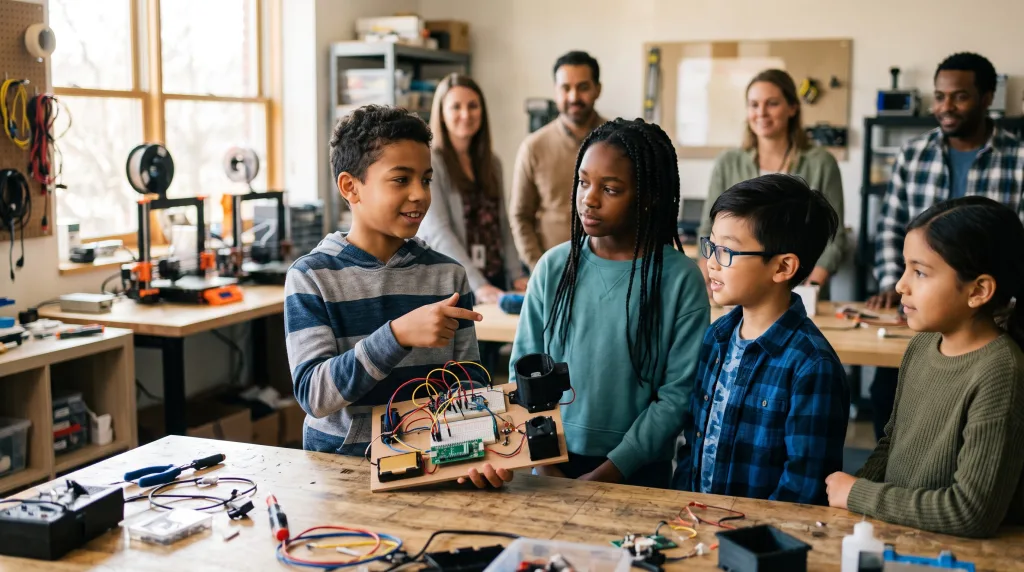
A ten-year-old boy invents an AI-powered electronic nose and wins an international award. What the science on children’s creativity reveals about the biases that block innovation inside companies.

Three well-documented psychological biases, the IKEA effect, NIH syndrome, and the Dunning-Kruger effect, combine around generative AI to push professionals into publishing mediocre content while convinced of the opposite.

Leaders who use AI only to cut costs and headcount are making an expensive mistake. Ford, IBM, and Klarna already rehired. Here’s what the growth studies actually show.

An unfair advantage protects you today. A moat protects you five years from now. Here’s how to tell which one you actually built, and how to turn the first into the second.
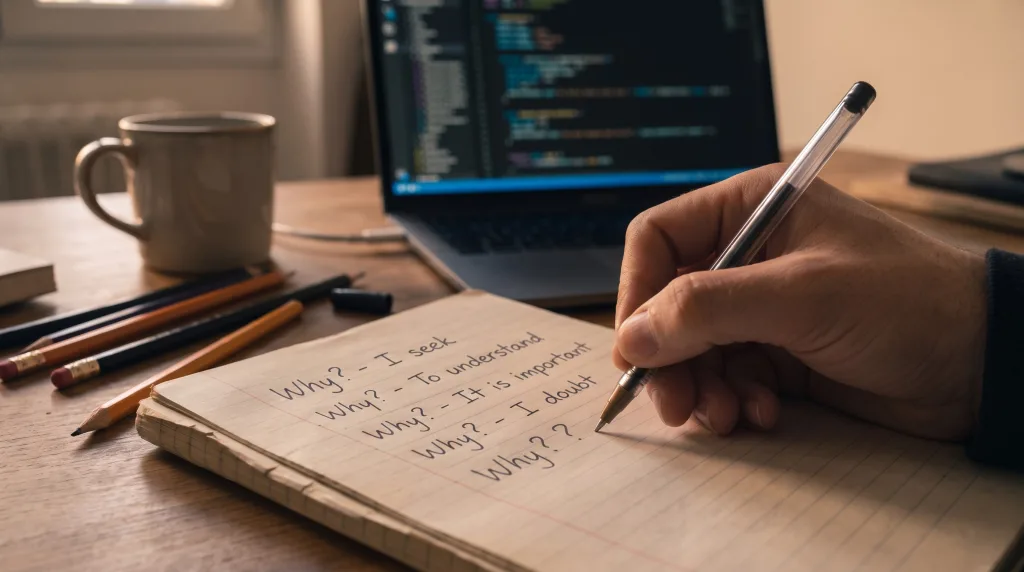
A tool born in a 1930s Japanese textile factory can stop you from lying about the real cause of your professional roadblocks. Here’s how to apply it, step by step.
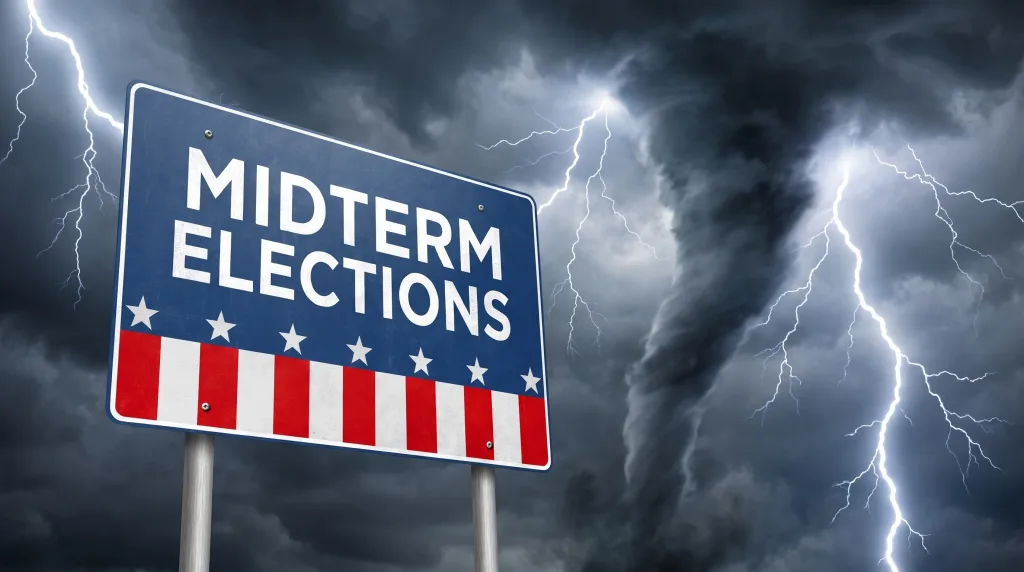
An untrained actor got 55 specialists to applaud a meaningless lecture. The Dr Fox effect explains why your meetings reward charisma over facts, and why the same trap awaits voters as the next election approaches.

In January 1995, a bank robber coated his face in lemon juice, sure it would make him invisible to cameras. His story gave birth to the Dunning-Kruger effect, the bias that makes the least competent feel like the best. Here is why it sabotages your innovation and management decisions, and how to neutralize it.
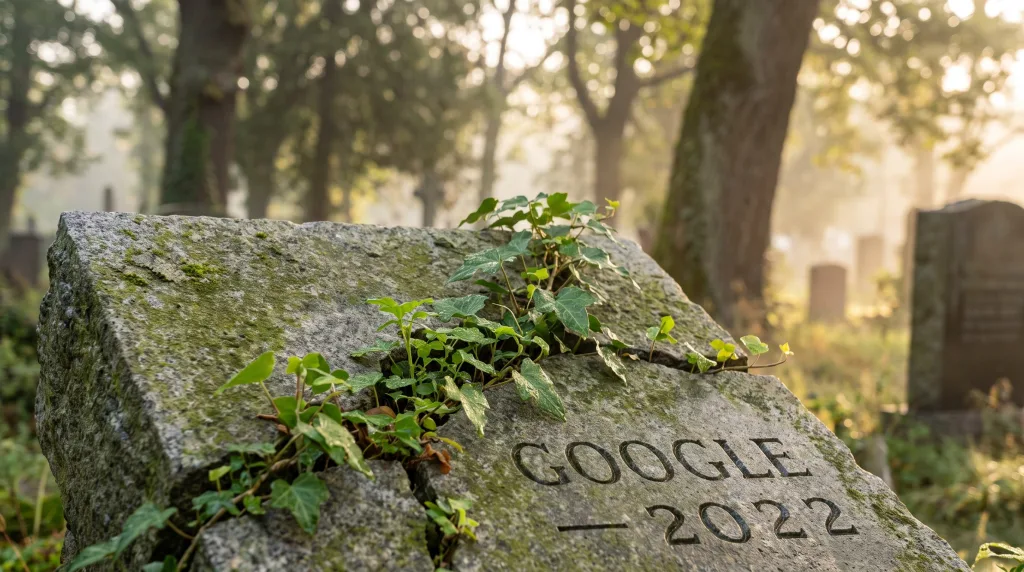
ChatGPT was supposed to bury Google. Three years later, Alphabet is worth $4.3 trillion, Gemini is nearing 900 million users and cloud is growing more than 80%. Autopsy of a death foretold that never happened, and the lesson for your company.
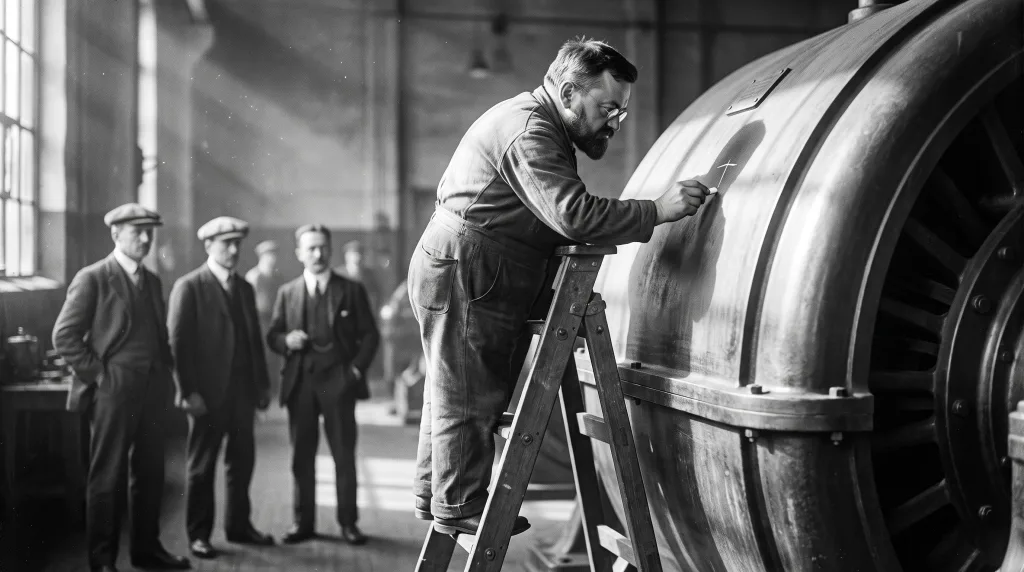
Two days spent listening to a machine, one chalk mark, and a 10,000-dollar invoice. The true story behind the myth of the paid-to-think employee, and what it says about intellectual capital in the age of AI.
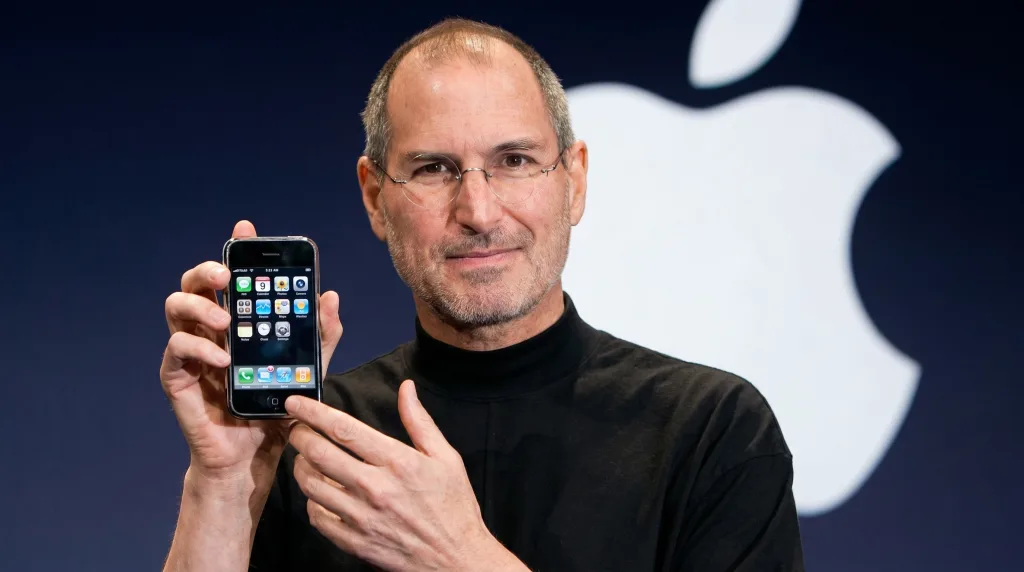
Steve Jobs did not describe the iPhone, he framed it. A single verb, reinvent, moved the audience from comparison to transformation. Here is the perception mechanism behind that choice, and how to apply it to your next launch.
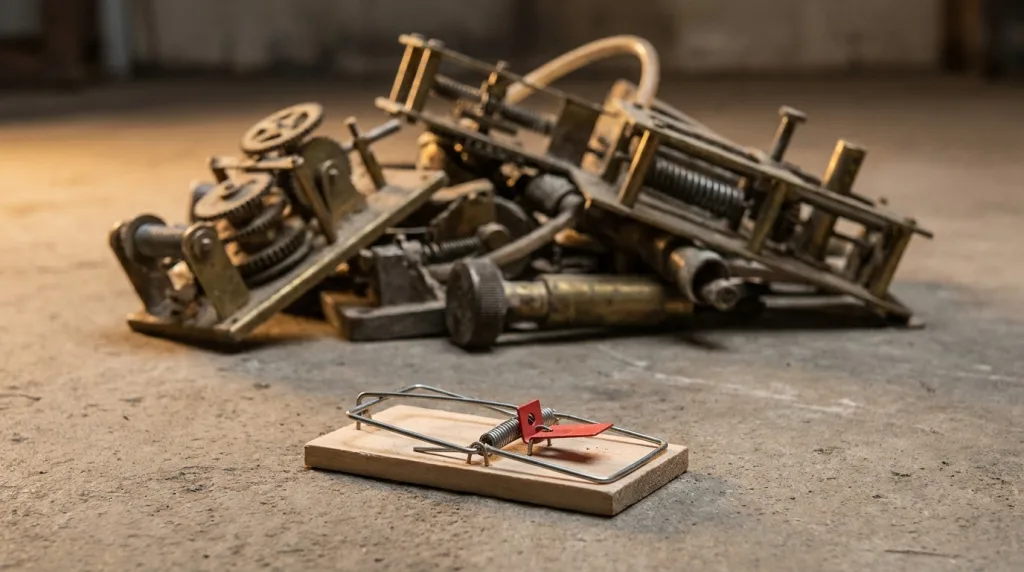
More than 4,400 mousetrap patents, and almost no success. From the Segway to the Betamax, why a legal monopoly never guarantees a market, and what a leader must check before filing.

For five years, Apple compiled Mac OS X for Intel in secret. A plan B born from one engineer’s curiosity, and it saved the company’s laptops.
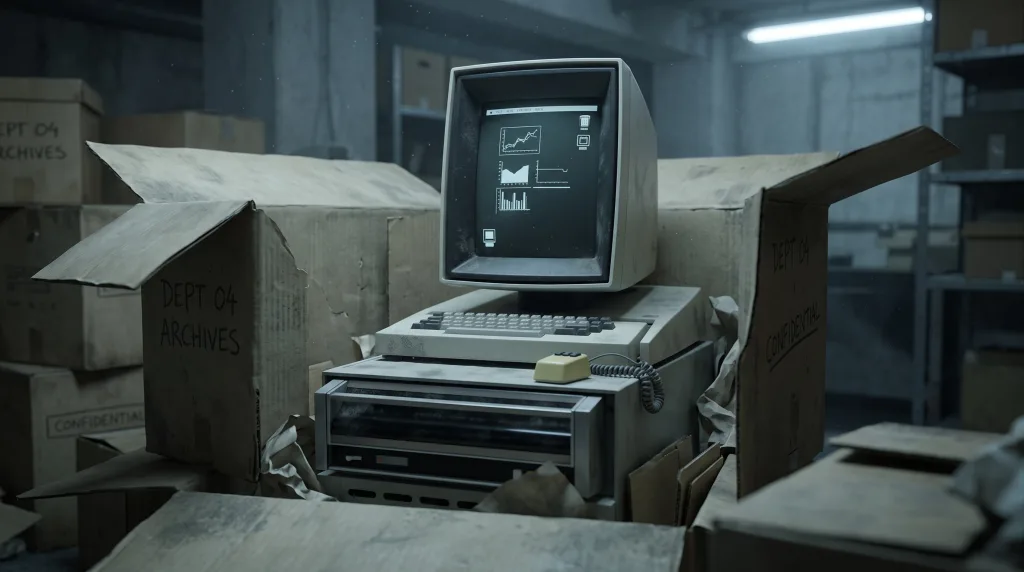
Xerox invented the first modern PC in 1973, then buried it because it used no toner. Behind that story sits the real meaning of “thinking out of the box,” and the reason your boss can almost never say yes.

In Japan, early arrivals park far from the exit to leave the best spot for a stranger. The gesture has a name, omoiyari, and it says more about a company’s culture than an MBA.

A Vatican manuscript resisted for four centuries. An AI decoded a 500-symbol extract in twenty-nine minutes. What the feat really says about AI, measurement and the human role in your organizations.

In 1965, Stephanie Kwolek refused to throw out a “failed” batch of chemistry. That cloudy beaker became Kevlar, five times stronger than steel. What her three-second decision teaches us about curiosity, serendipity and the survival of your anomalies at work.
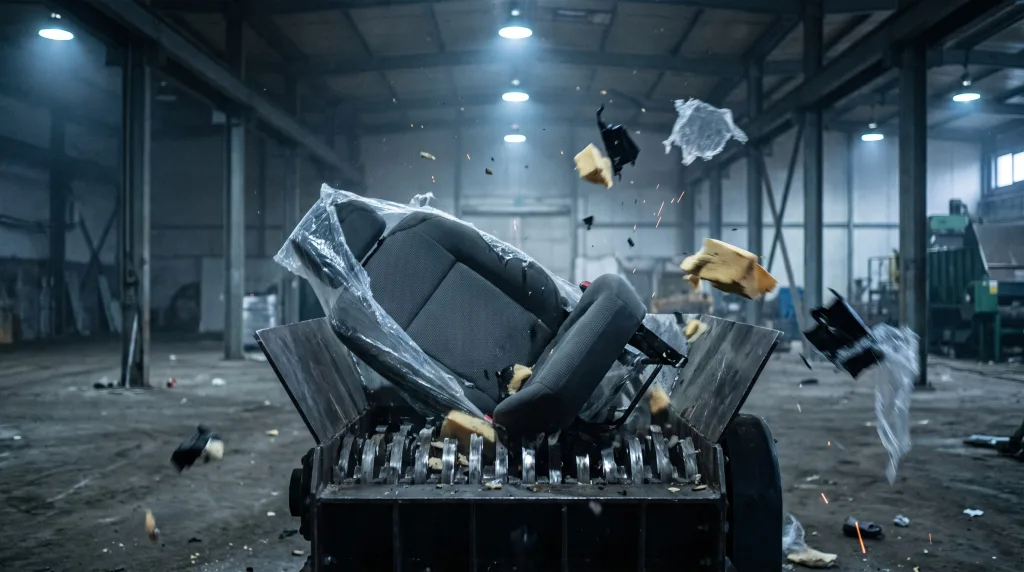
In Baltimore, Ford workers ripped brand-new seats out of vans and shredded them to dodge a tax born from a chicken war. Customs genius or costly illusion? What American companies’ tariff engineering teaches us about the difference between dodging and innovating.