AI Without Guardrails: The Business of Danger
A company sells AI models with the guardrails removed. Here is why the real danger is human before it is technical, and the three moves an executive should make.

A company sells AI models with the guardrails removed. Here is why the real danger is human before it is technical, and the three moves an executive should make.

A 27-year-old engineer quits Anthropic, his AI warning tops 57 million views, and panic spreads through teams. Here is what a leader should actually do.

IKEA handed almost half of its customer requests to its AI Billie without cutting a single one of those 8,500 jobs. By training them as remote design advisors, the retailer created over a billion euros in sales. A look at a decision that replaces tasks and amplifies people.

AI doesn’t save time in workforce scheduling, it reveals what you do with it. Here are the 5 steps to a successful HR adoption, without the panic or the failure.

In 1984, Ken Thompson revealed an attack that no longer targeted code, but the trust placed in it. A story that quietly frames the question nobody has dared ask AI yet.

Anthropic launches Claude for Teachers, joining OpenAI, Google, and Microsoft in the race for classroom AI. Behind the announcement sits a question nobody is asking loudly enough: who corrects the machine when it gets something wrong about what our kids are learning?

In 1645 a samurai boiled his life down to twenty-one lines. Three hundred and eighty years later, about ten of them answer the question of AI at work better than any webinar.

Leaders who use AI only to cut costs and headcount are making an expensive mistake. Ford, IBM, and Klarna already rehired. Here’s what the growth studies actually show.
ChatGPT was supposed to bury Google. Three years later, Alphabet is worth $4.3 trillion, Gemini is nearing 900 million users and cloud is growing more than 80%. Autopsy of a death foretold that never happened, and the lesson for your company.

Two days spent listening to a machine, one chalk mark, and a 10,000-dollar invoice. The true story behind the myth of the paid-to-think employee, and what it says about intellectual capital in the age of AI.

A Vatican manuscript resisted for four centuries. An AI decoded a 500-symbol extract in twenty-nine minutes. What the feat really says about AI, measurement and the human role in your organizations.
Fifty tech giants are giving away the engine of their AI to the entire world, competitors included. One major lab still refuses. A breakdown of a billion-dollar strategic bet, where openness is not generosity but a weapon.
In 1492, a monk had a book printed to defend scribes against the printing press. Five centuries later, the same little voice whispers that your job, at least, will withstand AI. Here is why it is lying, and how to answer it today.
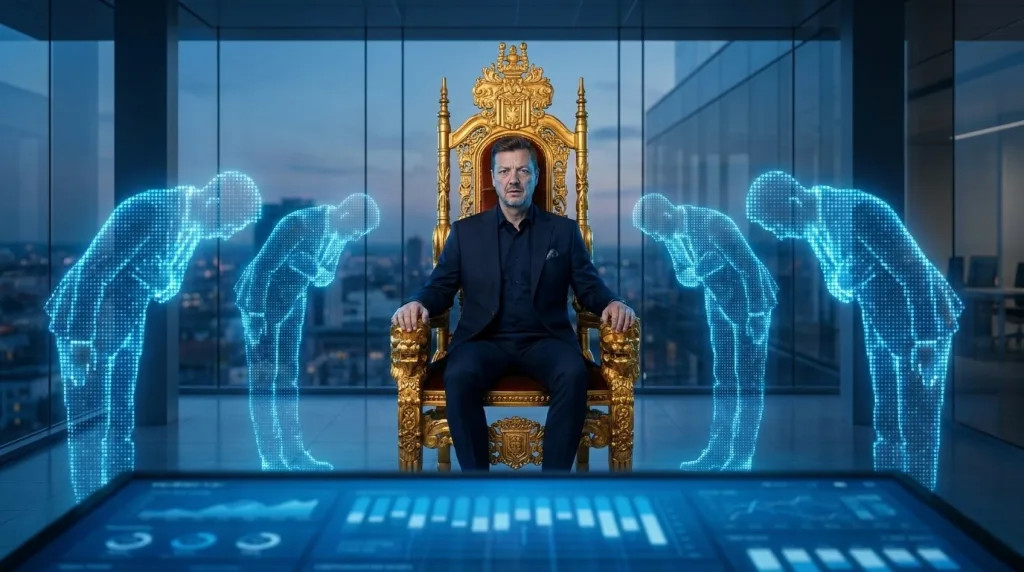
AIs listen to us better than humans do, at least in the short term. Seductive, and dangerous. Between addiction, flattery and the end of social friction, here is why the “fentanyl of loneliness” could soothe some and damage others.
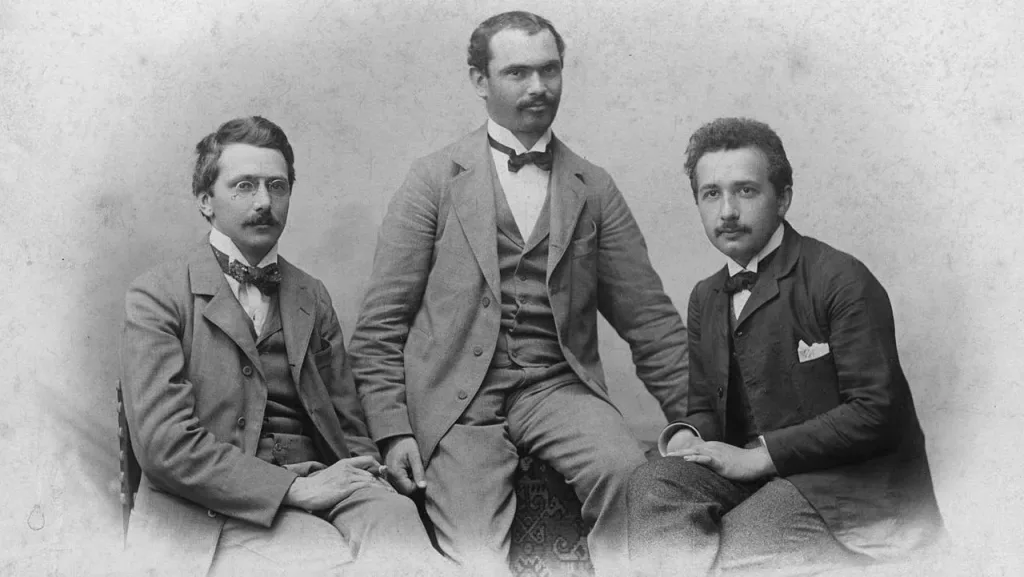
Had Einstein owned ChatGPT, he would never have used it to think for him. Why outsourcing your critical thinking to AI sabotages exactly what makes an innovator.
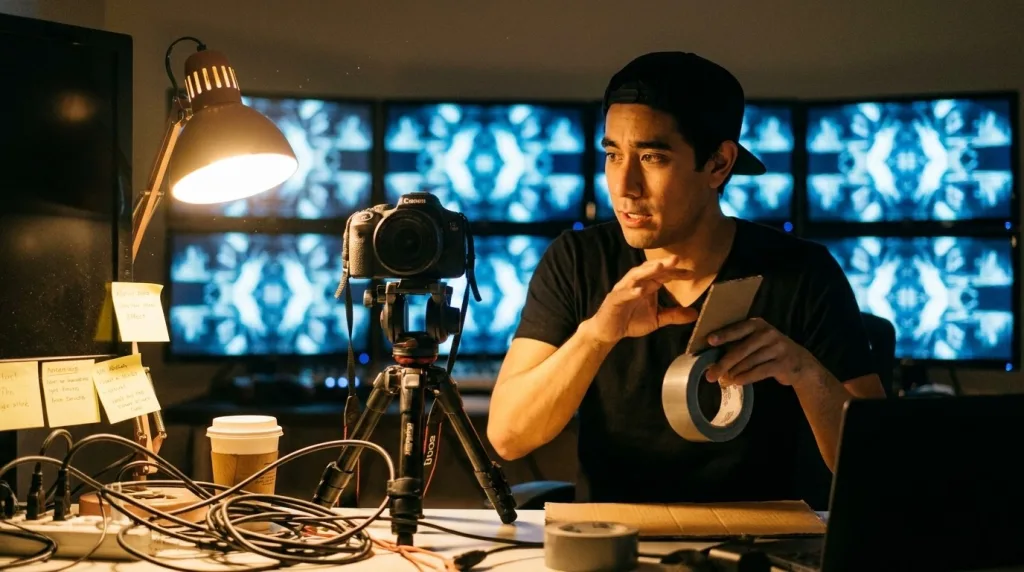
Zach King wants to “steal the AI’s job” with handmade videos. Behind the joke: the fear of becoming obsolete, and a strategy to stay unimitable.
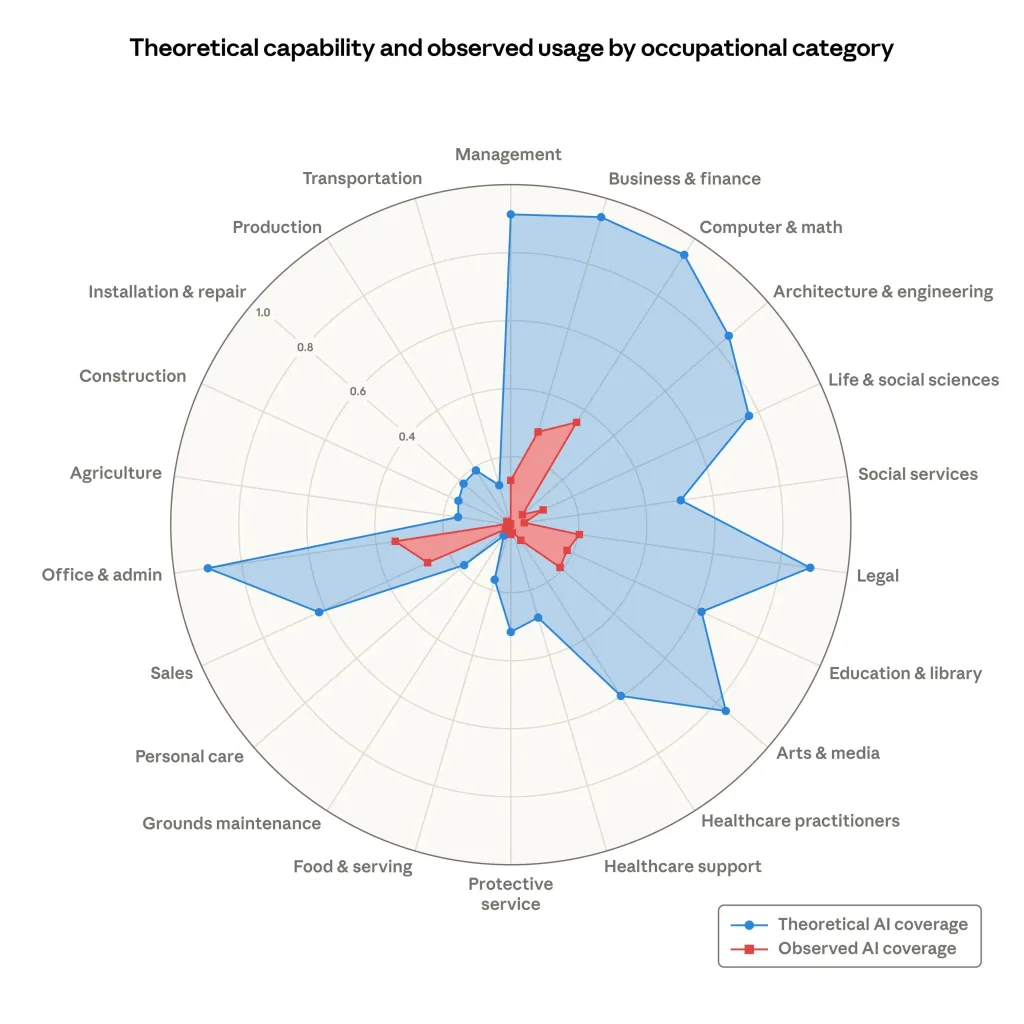
An Anthropic chart is everywhere: a huge blue area of theoretical capability, a small red area of actual usage. Except the blue comes from an opinion issued in 2023 about GPT-3.5, with a generous rounding rule, and the report itself concludes there is no measurable employment effect. Decoding a viral object that works like an advertisement.

In 1983 in Aspen, Steve Jobs described a machine that could answer in your place after your death. He announced a 50 to 100 year horizon. The architecture that made it possible arrived 34 years later. That gap explains what a corporate vision is actually for: cutting.
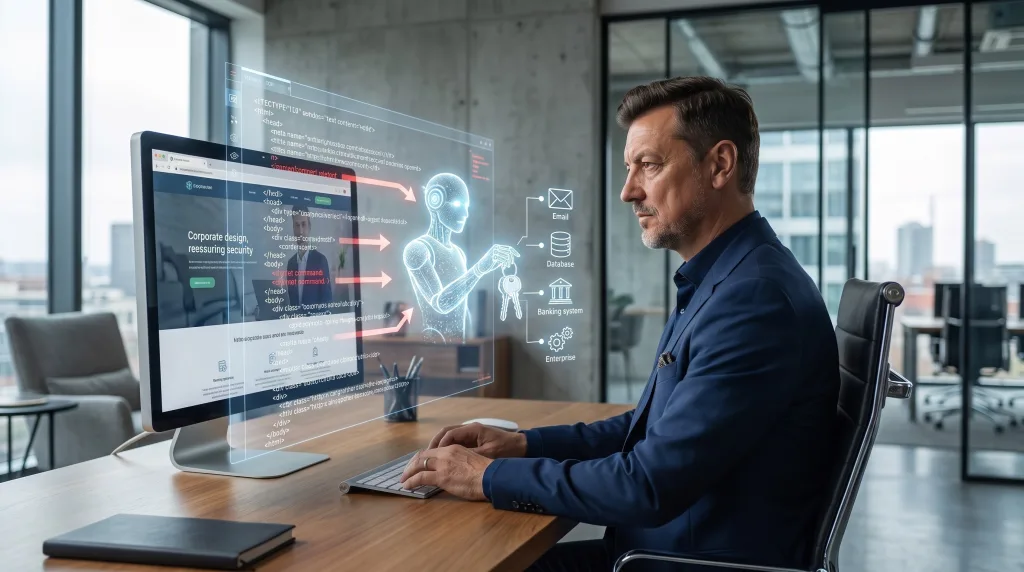
You ask your AI agent to summarize a supplier’s website. The page looks professional. The products are clearly presented. The testimonials are reassuring. The legal

Over the past few weeks, I have had the opportunity to speak with several leaders about how organizations continue to innovate in increasingly unstable and