
AI Extinction Fear: What Should a Leader Actually Do?
A 27-year-old engineer quits Anthropic, his AI warning tops 57 million views, and panic spreads through teams. Here is what a leader should actually do.

A 27-year-old engineer quits Anthropic, his AI warning tops 57 million views, and panic spreads through teams. Here is what a leader should actually do.

Anthropic launches Claude for Teachers, joining OpenAI, Google, and Microsoft in the race for classroom AI. Behind the announcement sits a question nobody is asking loudly enough: who corrects the machine when it gets something wrong about what our kids are learning?
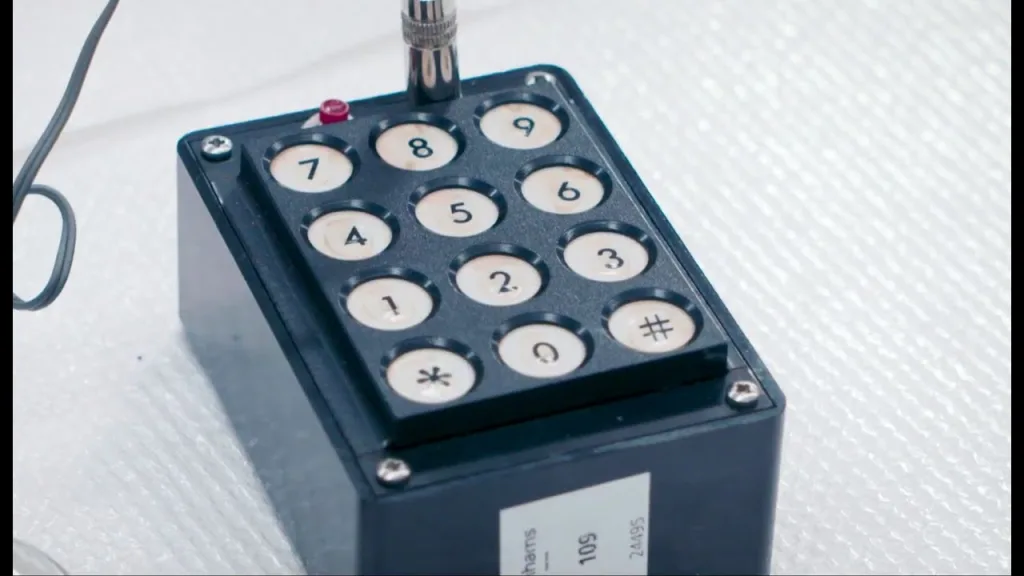
Long before the iPhone, Jobs and Wozniak sold an illegal device to hack the American phone network. Their story reveals the real mechanism behind innovation: calculated boldness, not luck.

On August 19, 2026, Moderna and Merck announced Phase 3 results for a personalized cancer vaccine. Behind the announcement sits ten years of experimental discipline that speaks directly to leaders.
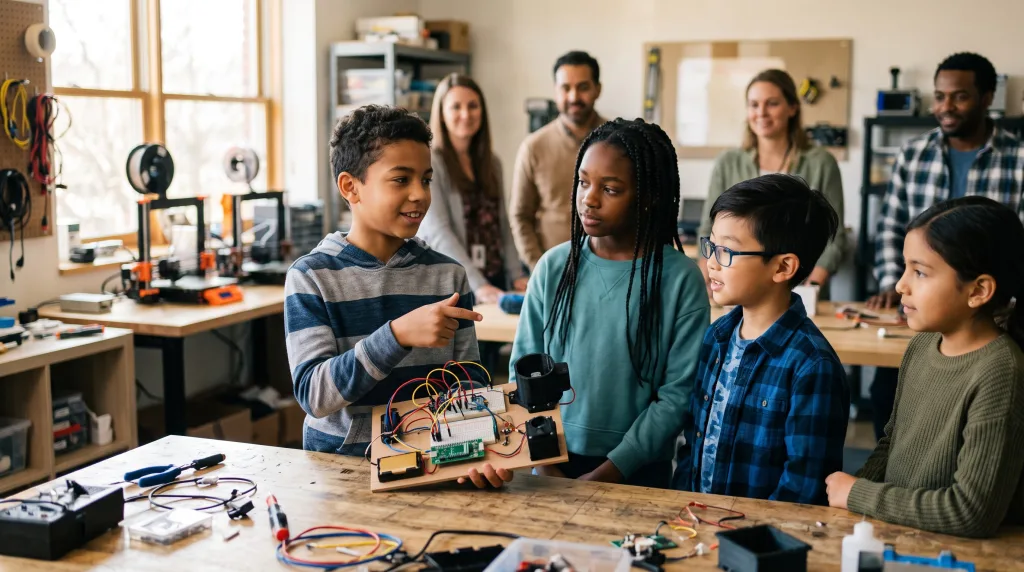
A ten-year-old boy invents an AI-powered electronic nose and wins an international award. What the science on children’s creativity reveals about the biases that block innovation inside companies.

Three well-documented psychological biases, the IKEA effect, NIH syndrome, and the Dunning-Kruger effect, combine around generative AI to push professionals into publishing mediocre content while convinced of the opposite.

In January 1995, a bank robber coated his face in lemon juice, sure it would make him invisible to cameras. His story gave birth to the Dunning-Kruger effect, the bias that makes the least competent feel like the best. Here is why it sabotages your innovation and management decisions, and how to neutralize it.
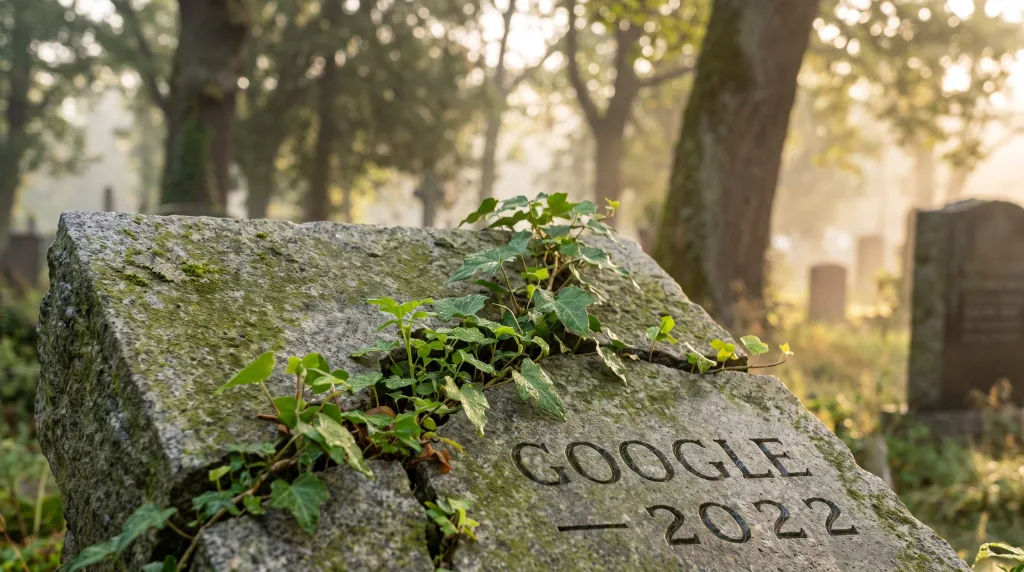
ChatGPT was supposed to bury Google. Three years later, Alphabet is worth $4.3 trillion, Gemini is nearing 900 million users and cloud is growing more than 80%. Autopsy of a death foretold that never happened, and the lesson for your company.

Two days spent listening to a machine, one chalk mark, and a 10,000-dollar invoice. The true story behind the myth of the paid-to-think employee, and what it says about intellectual capital in the age of AI.
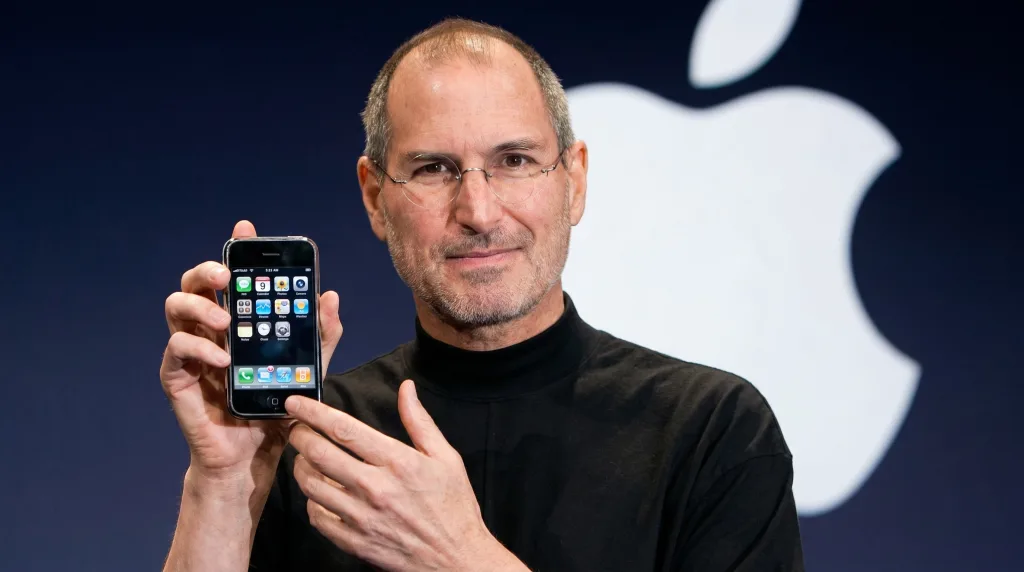
Steve Jobs did not describe the iPhone, he framed it. A single verb, reinvent, moved the audience from comparison to transformation. Here is the perception mechanism behind that choice, and how to apply it to your next launch.

More than 4,400 mousetrap patents, and almost no success. From the Segway to the Betamax, why a legal monopoly never guarantees a market, and what a leader must check before filing.

For five years, Apple compiled Mac OS X for Intel in secret. A plan B born from one engineer’s curiosity, and it saved the company’s laptops.

A Vatican manuscript resisted for four centuries. An AI decoded a 500-symbol extract in twenty-nine minutes. What the feat really says about AI, measurement and the human role in your organizations.

In 1965, Stephanie Kwolek refused to throw out a “failed” batch of chemistry. That cloudy beaker became Kevlar, five times stronger than steel. What her three-second decision teaches us about curiosity, serendipity and the survival of your anomalies at work.
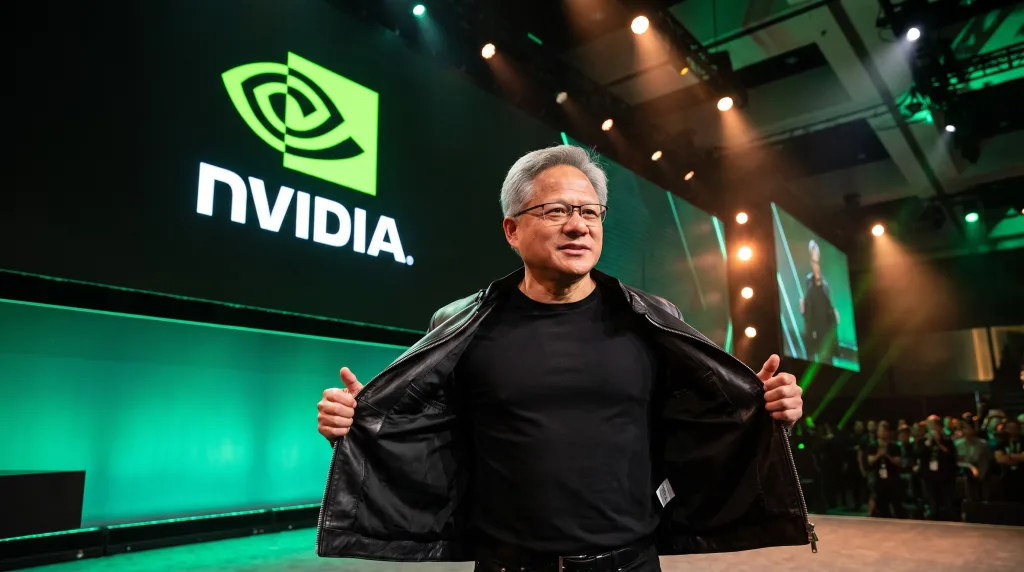
Fifty tech giants are giving away the engine of their AI to the entire world, competitors included. One major lab still refuses. A breakdown of a billion-dollar strategic bet, where openness is not generosity but a weapon.
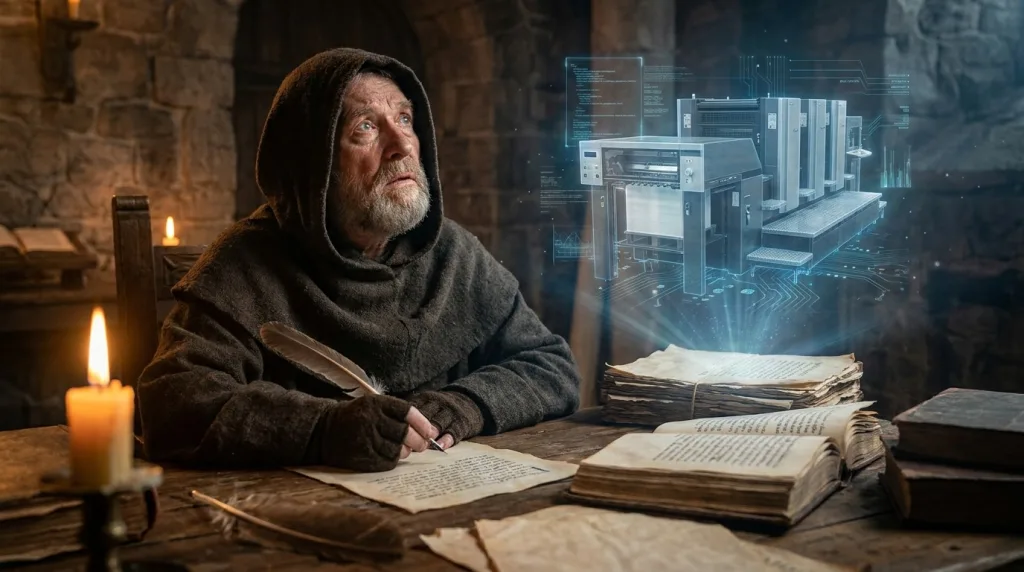
In 1492, a monk had a book printed to defend scribes against the printing press. Five centuries later, the same little voice whispers that your job, at least, will withstand AI. Here is why it is lying, and how to answer it today.
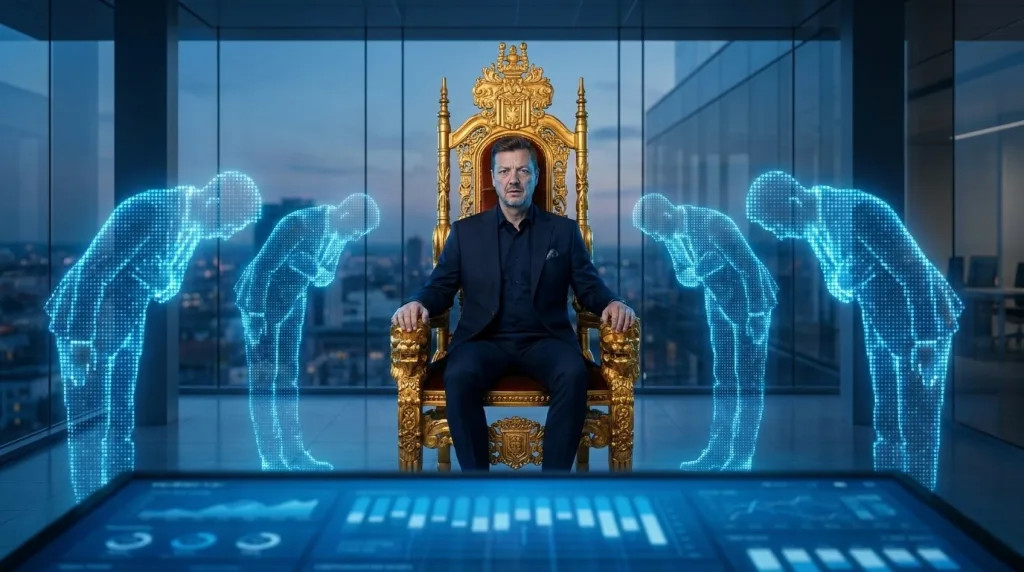
AIs listen to us better than humans do, at least in the short term. Seductive, and dangerous. Between addiction, flattery and the end of social friction, here is why the “fentanyl of loneliness” could soothe some and damage others.
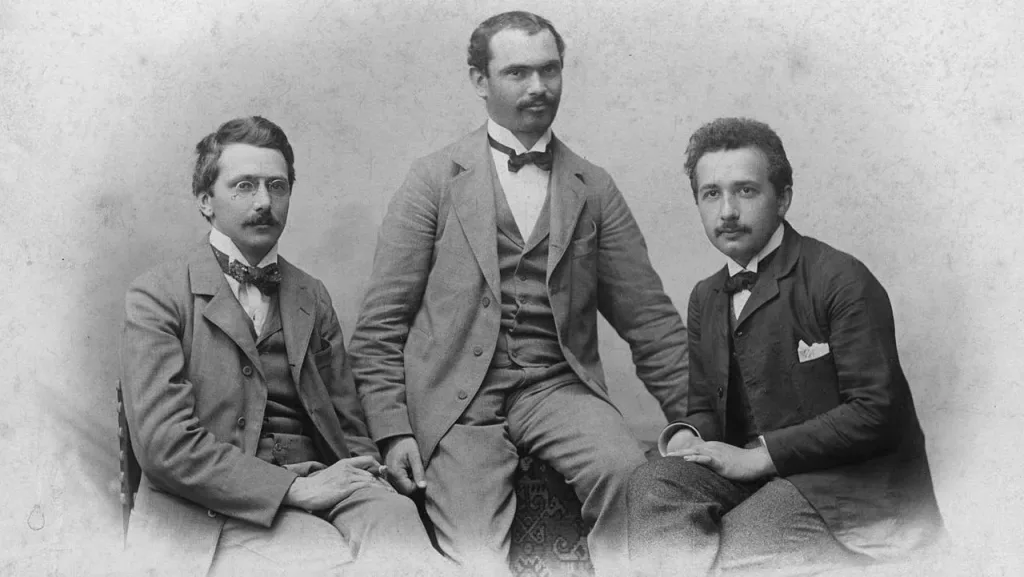
Had Einstein owned ChatGPT, he would never have used it to think for him. Why outsourcing your critical thinking to AI sabotages exactly what makes an innovator.
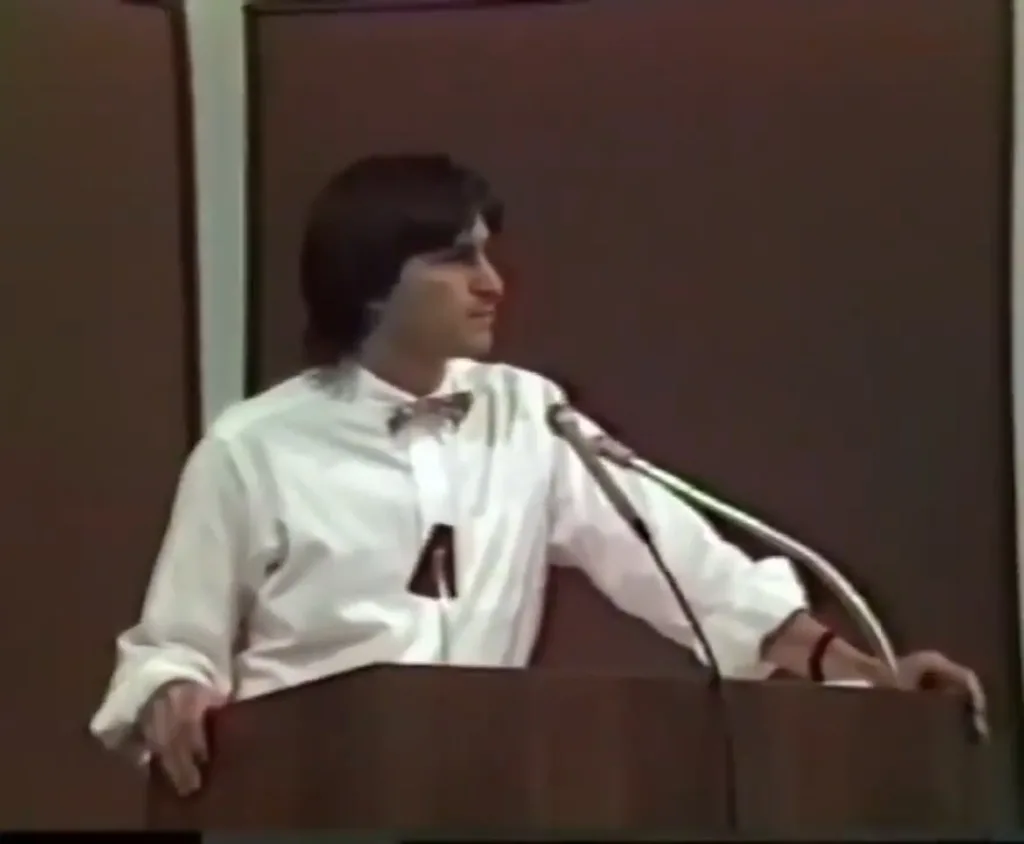
In 1983 in Aspen, Steve Jobs described a machine that could answer in your place after your death. He announced a 50 to 100 year horizon. The architecture that made it possible arrived 34 years later. That gap explains what a corporate vision is actually for: cutting.
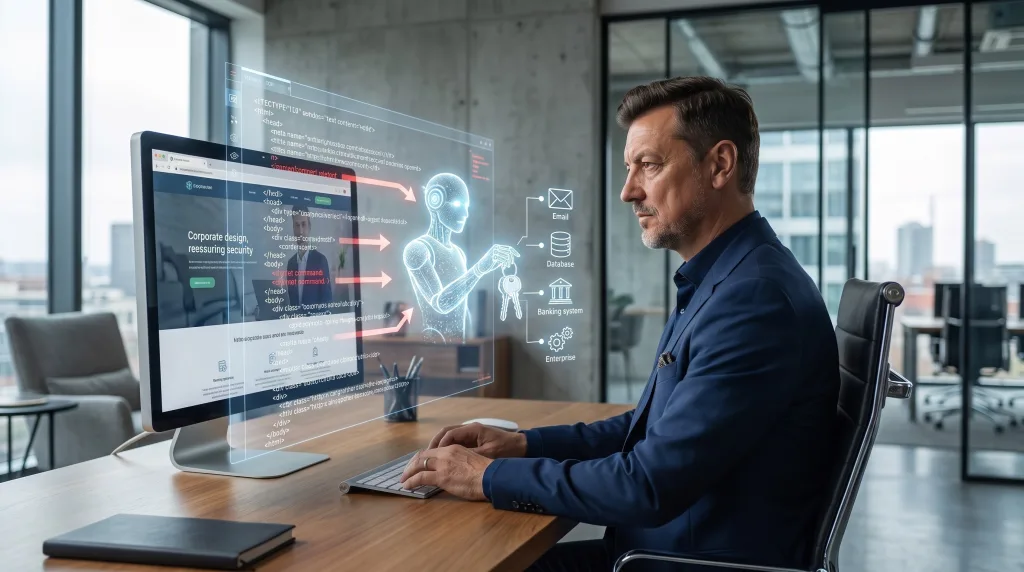
You ask your AI agent to summarize a supplier’s website. The page looks professional. The products are clearly presented. The testimonials are reassuring. The legal