
Future of Work: 21 Samurai Rules for the AI Age
In 1645 a samurai boiled his life down to twenty-one lines. Three hundred and eighty years later, about ten of them answer the question of AI at work better than any webinar.

In 1645 a samurai boiled his life down to twenty-one lines. Three hundred and eighty years later, about ten of them answer the question of AI at work better than any webinar.
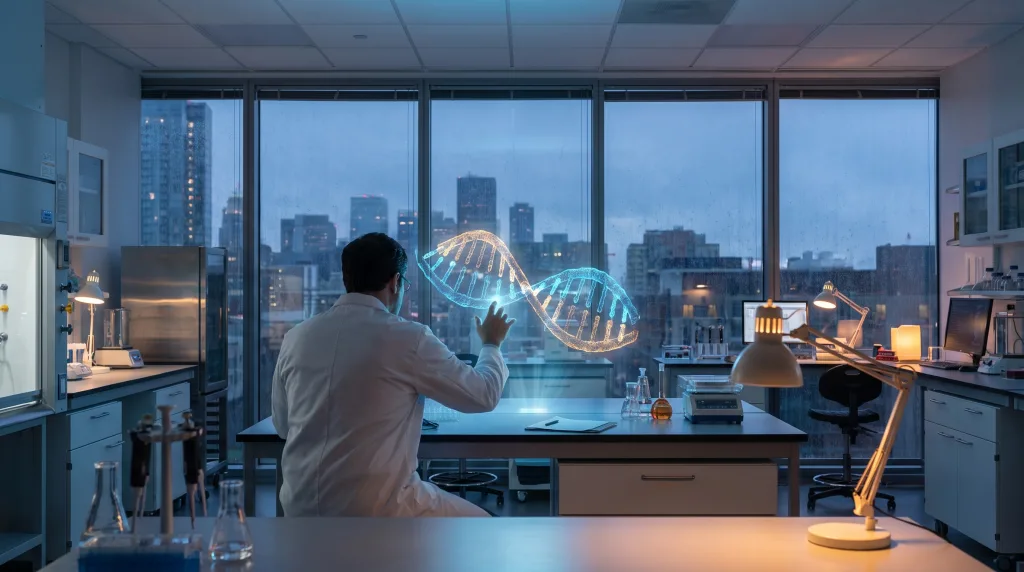
On August 19, 2026, Moderna and Merck announced Phase 3 results for a personalized cancer vaccine. Behind the announcement sits ten years of experimental discipline that speaks directly to leaders.
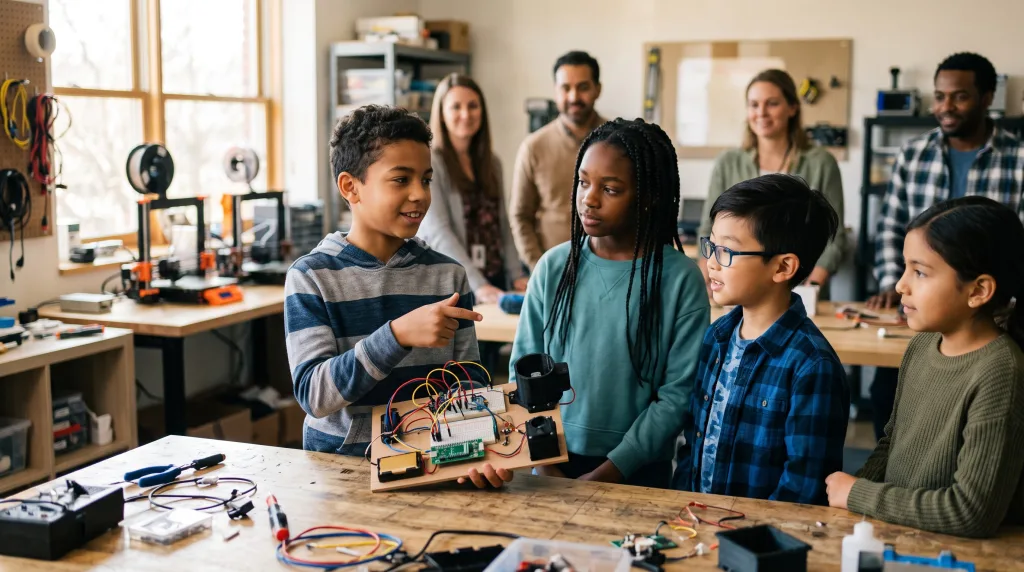
A ten-year-old boy invents an AI-powered electronic nose and wins an international award. What the science on children’s creativity reveals about the biases that block innovation inside companies.
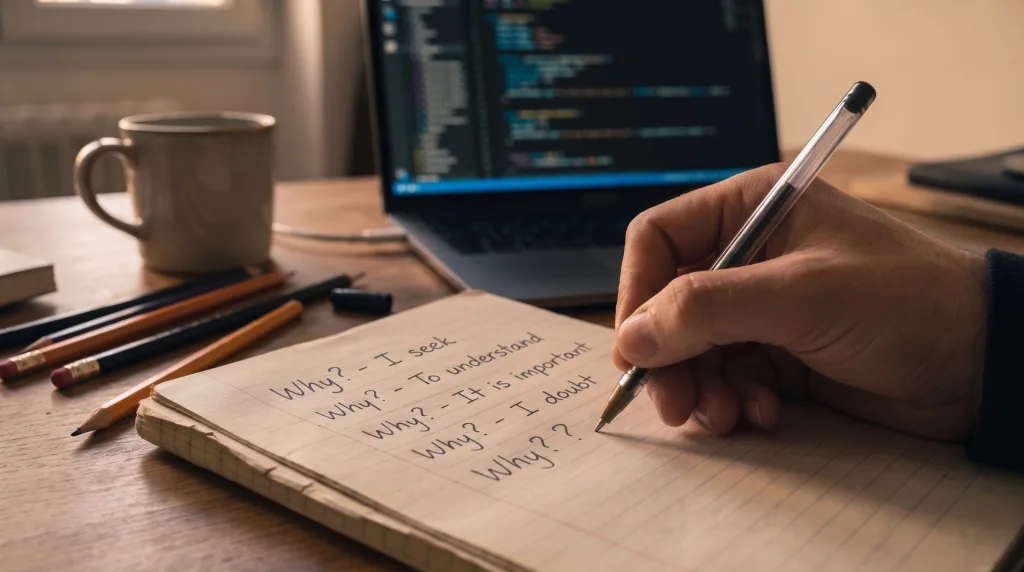
A tool born in a 1930s Japanese textile factory can stop you from lying about the real cause of your professional roadblocks. Here’s how to apply it, step by step.
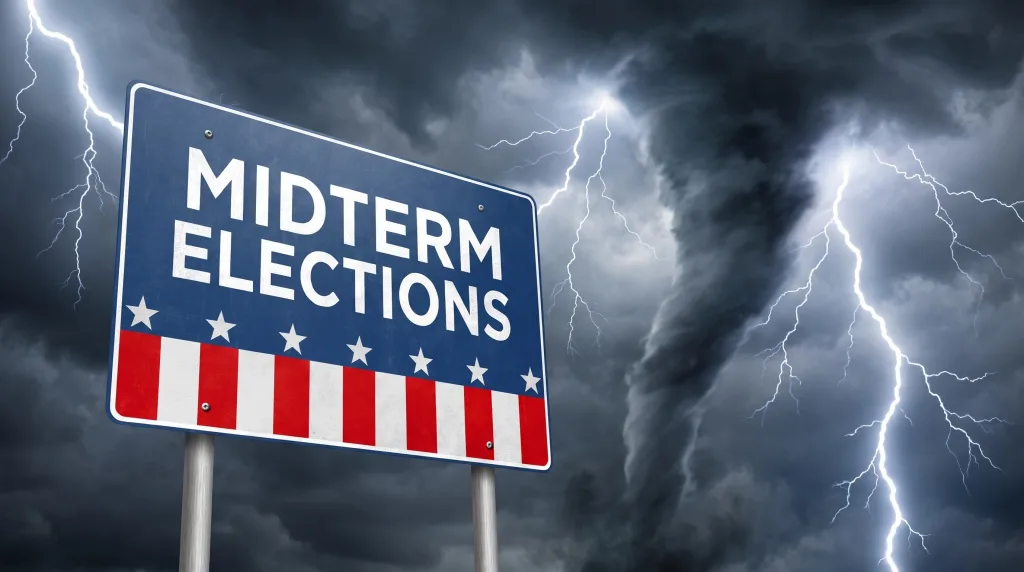
An untrained actor got 55 specialists to applaud a meaningless lecture. The Dr Fox effect explains why your meetings reward charisma over facts, and why the same trap awaits voters as the next election approaches.

In January 1995, a bank robber coated his face in lemon juice, sure it would make him invisible to cameras. His story gave birth to the Dunning-Kruger effect, the bias that makes the least competent feel like the best. Here is why it sabotages your innovation and management decisions, and how to neutralize it.
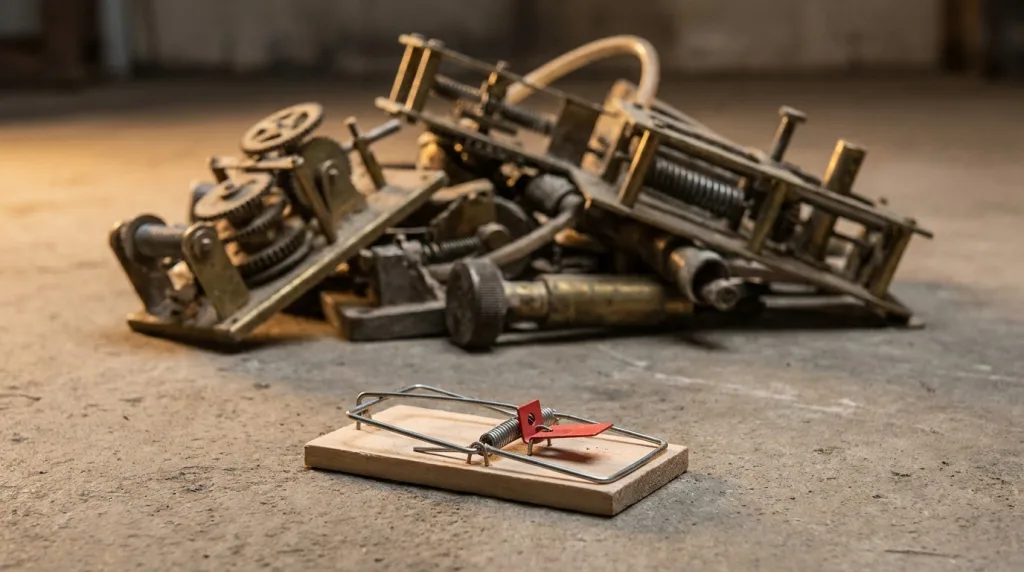
More than 4,400 mousetrap patents, and almost no success. From the Segway to the Betamax, why a legal monopoly never guarantees a market, and what a leader must check before filing.
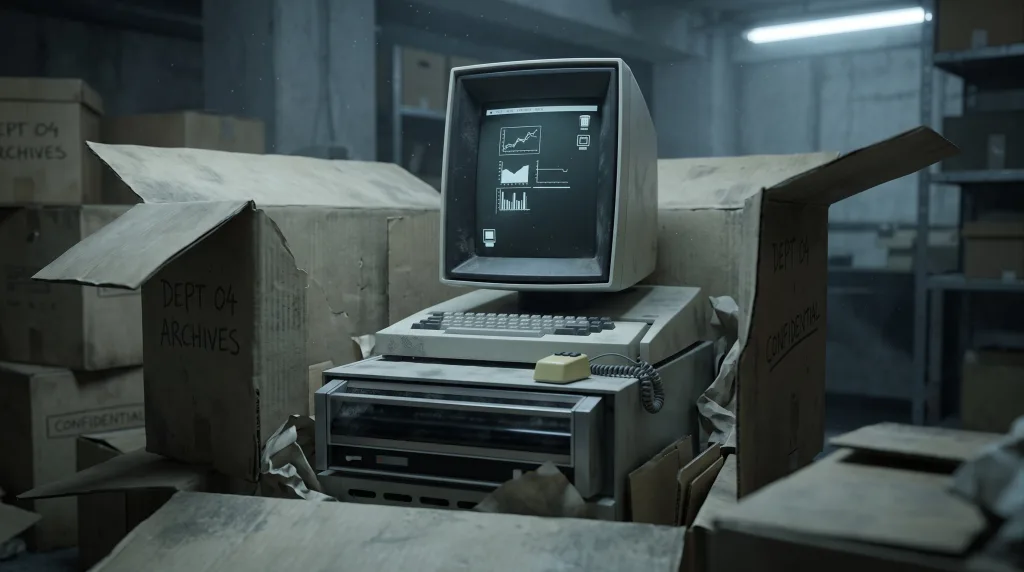
Xerox invented the first modern PC in 1973, then buried it because it used no toner. Behind that story sits the real meaning of “thinking out of the box,” and the reason your boss can almost never say yes.
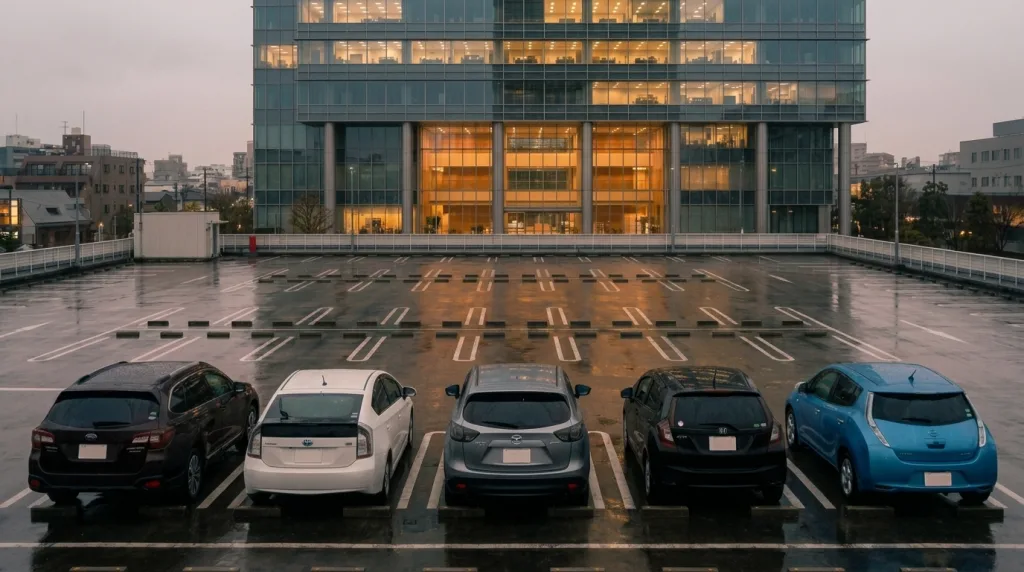
In Japan, early arrivals park far from the exit to leave the best spot for a stranger. The gesture has a name, omoiyari, and it says more about a company’s culture than an MBA.
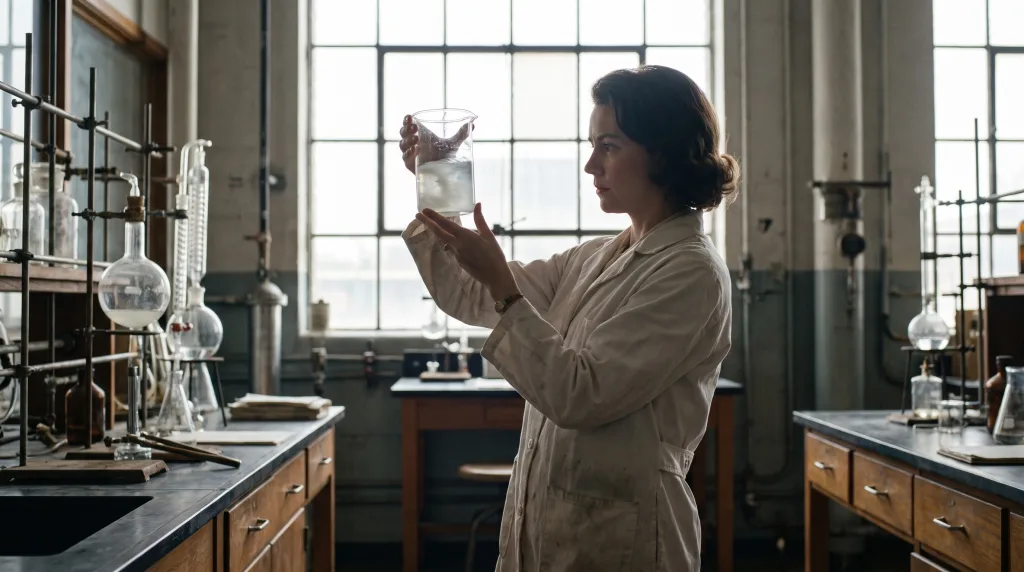
In 1965, Stephanie Kwolek refused to throw out a “failed” batch of chemistry. That cloudy beaker became Kevlar, five times stronger than steel. What her three-second decision teaches us about curiosity, serendipity and the survival of your anomalies at work.
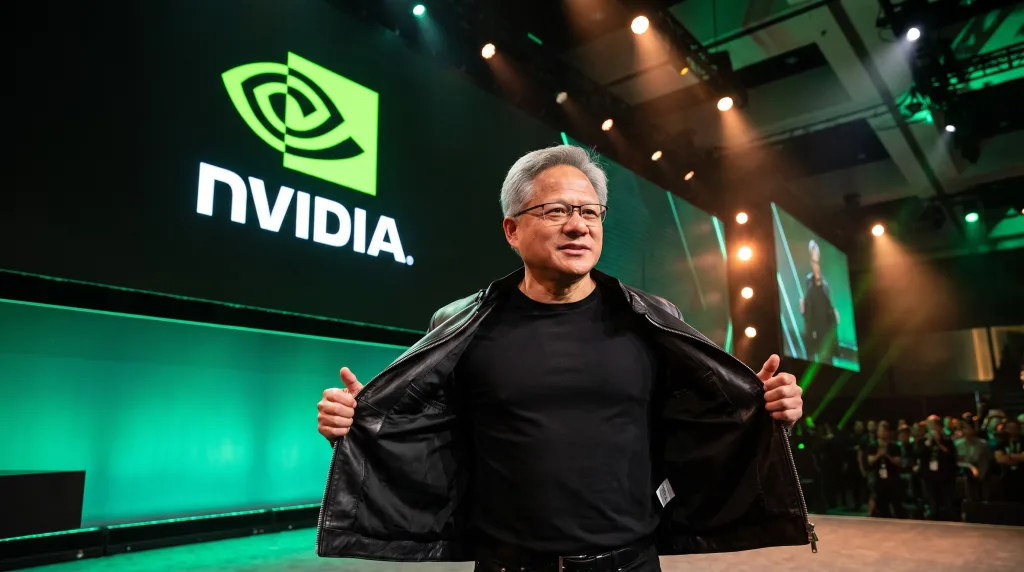
Fifty tech giants are giving away the engine of their AI to the entire world, competitors included. One major lab still refuses. A breakdown of a billion-dollar strategic bet, where openness is not generosity but a weapon.
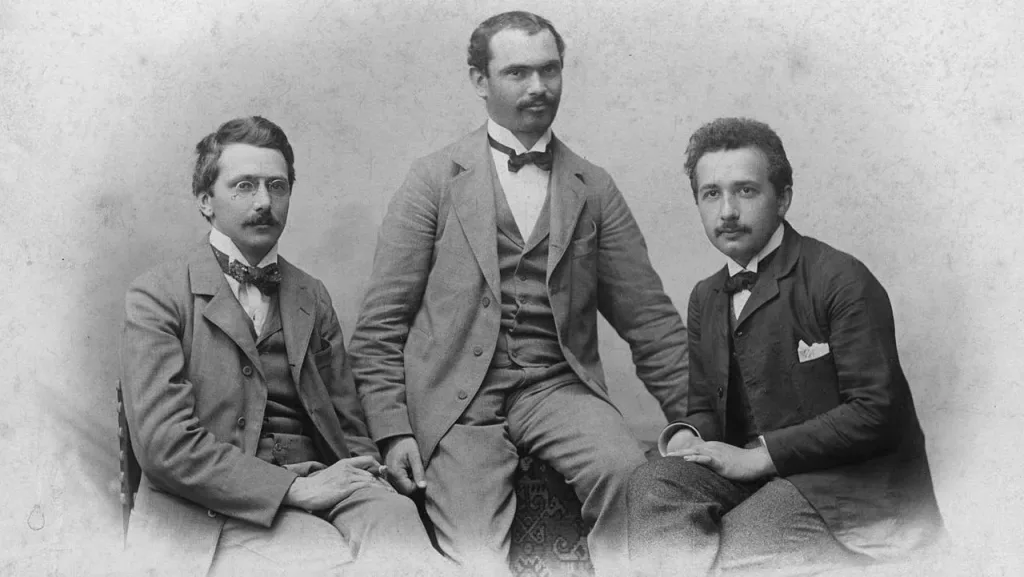
Had Einstein owned ChatGPT, he would never have used it to think for him. Why outsourcing your critical thinking to AI sabotages exactly what makes an innovator.

A rural New York school district is deploying a €50,000 humanoid robot in its science classes. Behind the spectacular object lies an adoption problem I see in nine organisations out of ten: they buy before they communicate.
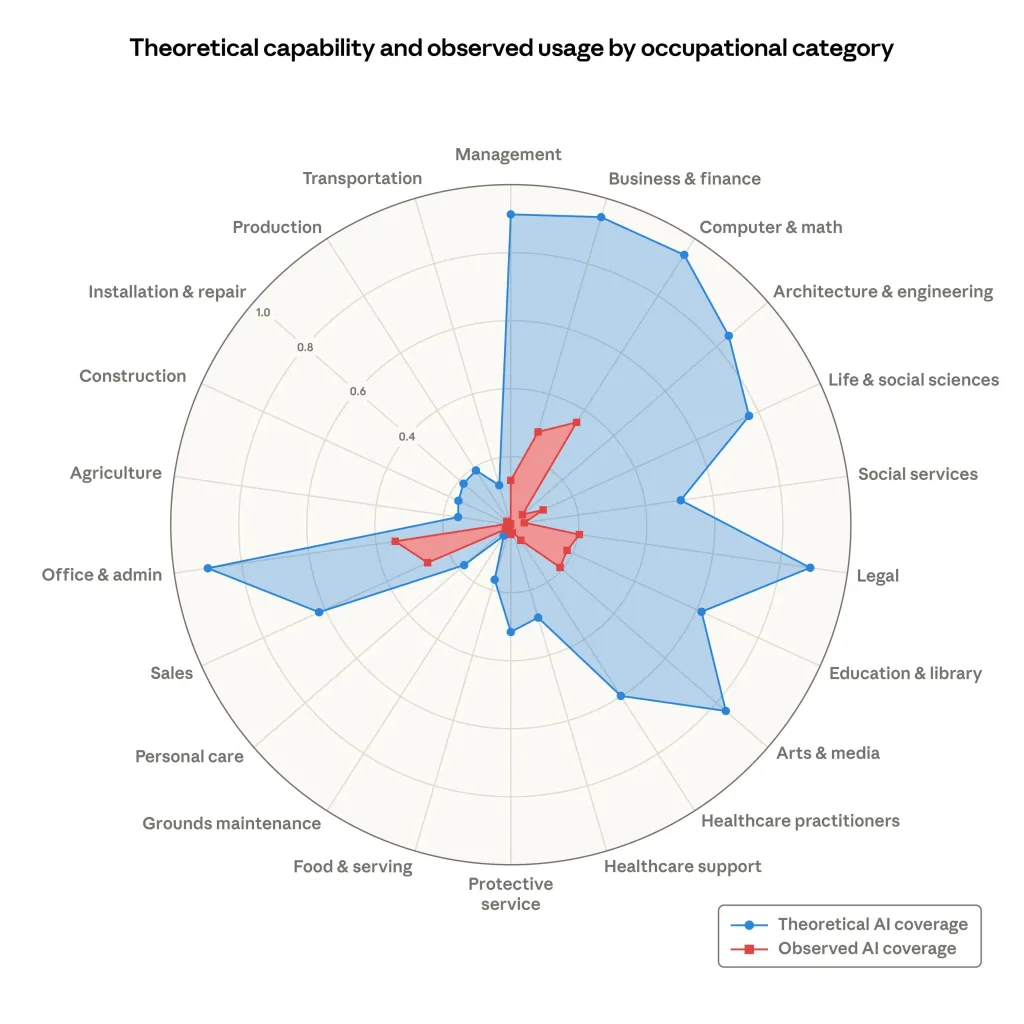
An Anthropic chart is everywhere: a huge blue area of theoretical capability, a small red area of actual usage. Except the blue comes from an opinion issued in 2023 about GPT-3.5, with a generous rounding rule, and the report itself concludes there is no measurable employment effect. Decoding a viral object that works like an advertisement.

While labs burned billions to create synthetic blood, Franck Zal picked the solution up at low tide. The story of the marine worm that preserves organ grafts, and what it reveals about our blindness to hidden value.
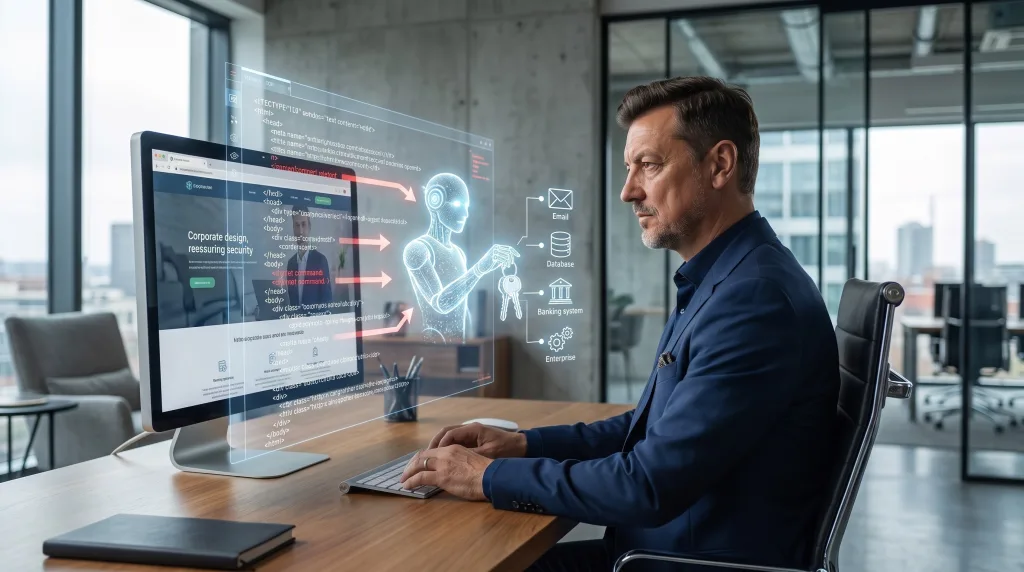
You ask your AI agent to summarize a supplier’s website. The page looks professional. The products are clearly presented. The testimonials are reassuring. The legal

Over the past few weeks, I have had the opportunity to speak with several leaders about how organizations continue to innovate in increasingly unstable and
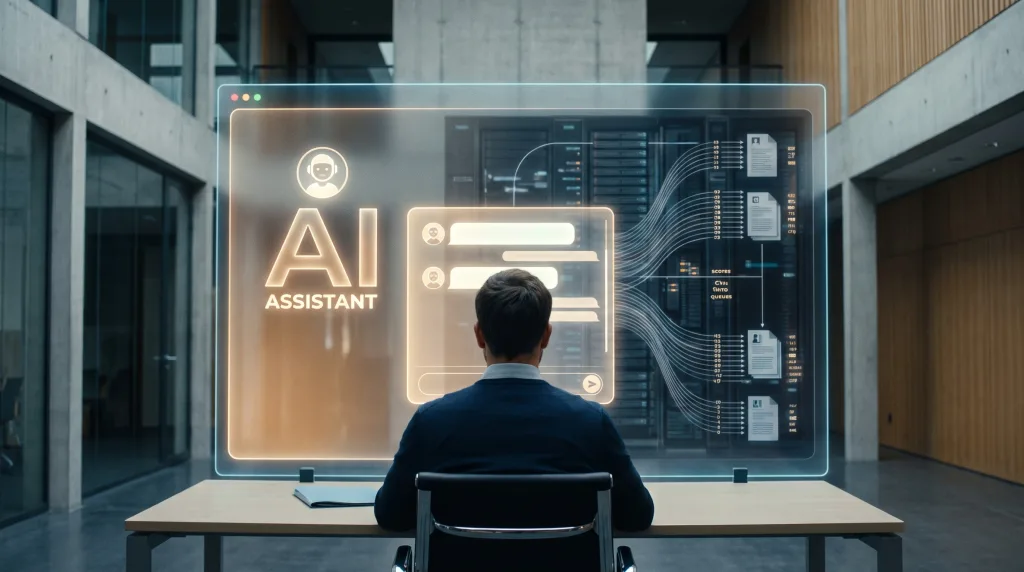
Imagine the scene. You apply for a job. A chatbot welcomes you to the company’s website. From 2 August 2026, it will have to inform

Exhaustive code review may have become the new administrative work of software developers. The traditional reasoning sounds impeccable. Artificial intelligence generates the code. A human
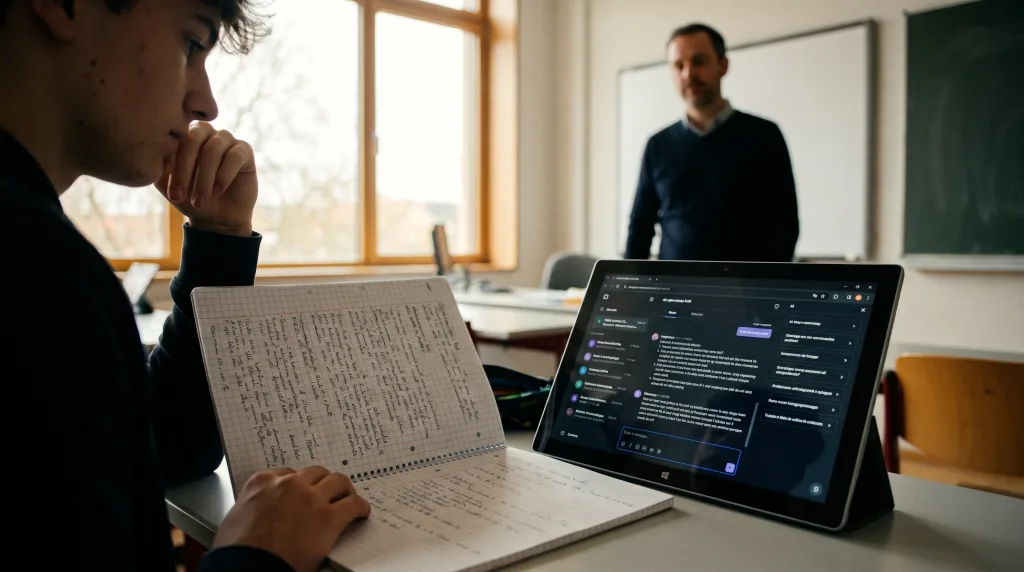
The discomfort AI reveals AI in school is not only a technological issue. It is a biological one. A digital tool can accelerate access to